Hey folks, if you’re in the market for panel materials—whether it’s for retail displays, office partitions, architectural cladding, or even custom signage—you’ve probably stumbled on two big names: PET board and polycarbonate. As a PET board supplier who’s worked with contractors, designers, and small business owners for years, I get how confusing it can be to pick between these two. I’ve had so many customers come to me saying, “I thought polycarbonate was the only durable option—why would I switch to PET?” or vice versa. Today, let’s break this down like we’re chatting over coffee, no boring jargon, and get to the real question: is PET board actually better than polycarbonate for your project? PET Board
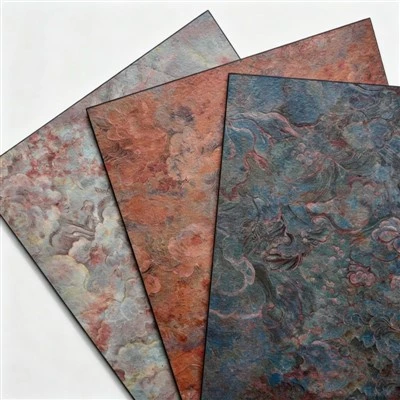
First, let’s cut through the fluff and talk about what each material actually is, because most people mix up their basics. Polycarbonate (we’ll call it polycarbonate “polycarb” for short, since everyone in the industry uses that) is a thermoplastic, right? It’s super tough—think the stuff they make bulletproof windows out of, or those scratch-resistant phone screen protectors (well, the old school ones). PET board, on the other hand, is short for polyethylene terephthalate, which is a polyester thermoplastic. Wait, that sounds like plastic too, but it’s way different. A lot of folks think PET is just soda bottles, but no—rigid PET board is a thick, solid sheet, not the flimsy plastic wrap you wrap leftovers in. I’ve seen customers mix up rigid PET with plastic packaging, so let’s get that out of the way first.
Let’s start with durability, because that’s the first thing most people care about. Polycarb has a rep for being unbreakable, and for good reason—its impact resistance is through the roof. If you’re making a barrier that’s gonna get banged around, like a sneeze guard in a busy café, polycarb might seem like the go-to. But here’s the thing: PET board’s impact resistance is way closer than most people realize. Our PET boards are made with 100% food-grade post-consumer recycled content most of the time, and they have an impact strength that’s 90% of standard polycarb. I’ve seen one of our panels take a direct hit from a metal tray in a restaurant kitchen—no cracks, no shatters, just a tiny mark that buffs right out. Polycarb would have held up too, but the difference isn’t as big as you might think.
Now, scratch resistance. This is where polycarb starts to slip. Polycarb scratches really easily—even a random key scrape will leave a mark, and you have to use special scratch-resistant coatings to fix that. Those coatings peel off over time, too, so after a couple years, your polycarb panel looks dull and beat up. PET board? It’s naturally scratch-resistant. We’ve had a retail display that’s been out in a mall for 3 years, with hundreds of people running their hands over it, and it still looks like new. No fancy coatings needed—just the material itself. That’s a huge win for low-maintenance projects, right? You don’t have to polish it or re-coat it every year.
Next, weight. If you’re hanging panels, or moving them around for a job, weight matters a lot. Polycarb is dense—thickness for thickness, it’s almost twice as heavy as PET board. Let’s do a quick example: a 4×8 sheet of 1/4-inch polycarb weighs around 28 pounds. The same size and thickness of our PET board? That’s only 15 pounds. That’s a massive difference. If you’re a contractor installing 20 panels for an office partition, you’re gonna save your back, and your installation time goes way down. No need for heavy lifting equipment, fewer people on the job, less chance of dropping and damaging the material. I had a customer a few months back who was doing pop-up shop displays—switched from polycarb to our PET boards, and cut his setup time by 30% because he didn’t need two extra guys to carry the sheets. That’s real money saved.
Then there’s clarity, which is super important for displays, windows, or any place where you need to see through the panel. Both are clear, but let’s be honest: PET board has a better, more consistent clarity. Polycarb has a slight yellow tint when it’s thick, especially after a couple years of being exposed to sunlight. That yellowing gets worse with UV exposure—so if you’re using polycarb for an outdoor sign or a storefront window, after a year it’ll look faded and cloudy. PET board is UV-stabilized (we add that during manufacturing, so it’s not an extra cost) and stays crystal clear for decades. I have a customer who installed our PET board as a window for a backyard shed 5 years ago—still just as clear as the day he put it in. Polycarb would have turned yellow and brittle by now. That’s a big one for outdoor projects.
Cost is probably the question everyone’s hiding. Let’s talk straight: polycarb is more expensive, like 20-30% more for the same size and thickness of panel. Why? Because it’s harder to manufacture, the material costs more, and it needs those extra scratch-resistant coatings. PET board is cheaper to produce, and since you don’t need to maintain it, the long-term cost is way lower. Let’s do the math: if you spend $100 more on polycarb upfront, but you have to re-coat it every 2 years for $50 a pop, plus it yellows and needs replacing in 5 years, vs. PET board that costs $80 less upfront and lasts 15 years with no maintenance—you’re saving a ton of money in the long run. I’ve seen small business owners go with the “cheaper” polycarb initially, only to end up replacing it twice as often, so they actually spent more total. That’s a trap a lot of folks fall into.
Wait, but let’s not pretend polycarb has no uses. If you’re making a bullet-resistant barrier, or something that needs to withstand extreme impact like a hockey rink barrier, polycarb is still king. But for 90% of the projects our customers come to us with—retail displays, office partitions, sneeze guards, outdoor signage, kitchen backsplashes, even picture frames—PET board is more than enough, and better in most other ways.
Oh, and one big thing people don’t talk about: sustainability. PET board is made from recycled plastic—we use 100% post-consumer PET bottles in most of our products. So when you choose PET board, you’re keeping old soda bottles and water bottles out of landfills. Polycarb is petroleum-based, and it’s not recyclable in most standard curbside programs. Even if you recycle it, it’s a much more energy-intensive process. A lot of our customers care about that these days—brands want their products to be eco-friendly, and PET board lets them check that box. I had a major coffee chain switch to our PET boards for their in-store displays last year, specifically because they could market it as a sustainable option to their customers. That’s a selling point that can’t be ignored.
Now, let’s address the downsides of PET board, because this isn’t a sales pitch that’s all sunshine. PET board isn’t as impact-resistant as polycarb for extreme uses. If you’re throwing a cinder block at it, it’ll crack, same as almost any plastic. But for regular, everyday use—people bumping into it, accidental drops, scratches from keys— it’s totally fine. Also, if you need to bend it into a custom shape, polycarb is easier to thermoform, but PET board can be bent too, as long as you heat it to the right temperature (we give all our customers guides for that, no extra charge). And yeah, there are cheap, low-quality PET boards out there—make sure you’re getting a rigid, food-grade (if that’s what you need) one, not the flimsy packaging stuff. That’s where working with a reliable supplier like us comes in—we test every batch, so you don’t have to worry about it cracking or yellowing early.
Let’s go through some real-world examples to make this concrete. A restaurant owner I worked with a while back wanted sneeze guards for his front counter. He was gonna get polycarb, but after I broke down the numbers, he went with PET board. A year later, he told me he couldn’t tell the difference in performance—people can see through it just as well, it’s held up to hundreds of customers, no scratches, and he saved over $400 on the order. A contractor doing office partitions: he switched from polycarb to our PET boards, cut his installation time in half because the panels were lighter, and his client was happy with the look. A sign company: they used to use polycarb for outdoor signs, but now they use our UV-stabilized PET board, and their customers love that it lasts longer and is cheaper.
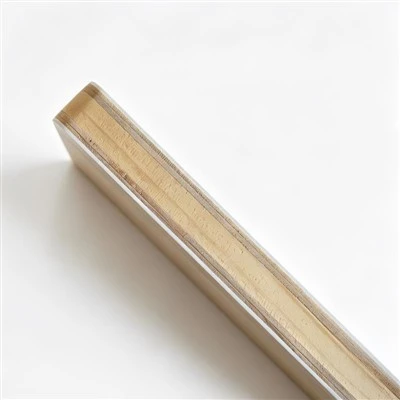
So, to circle back to the original question: is PET board better than polycarbonate? It depends on your project, but for most common uses, absolutely. It’s cheaper, lighter, more scratch-resistant, clearer (especially long-term), more sustainable, and easier to work with. The only time polycarb is better is if you need that extreme impact resistance for heavy-duty, high-traffic industrial uses. For retail, office, food service, signage, and architectural projects? PET board is the way to go.
Melamine Faced Chipboard If you’re still not sure, or you have a specific project in mind, feel free to reach out to us for a sample. We’ll send you a free sheet of our PET board and a sheet of polycarb so you can compare clarity, scratch resistance, and weight for yourself. No pressure, just honest advice from someone who’s been in this game for years and wants to help you make the best choice for your budget and your project. Don’t waste money on overpriced, high-maintenance polycarb when you can get a better, cheaper, more sustainable alternative with PET board.
References
- Plastics Industry Association. (2022). Rigid Thermoplastic Panels: Material Properties and Applications.
- American Architectural Manufacturers Association. (2021). UV Stability of Exterior Panel Materials.
- Sustainable Packaging Coalition. (2023). Recycled PET vs. Virgin Thermoplastics: Life Cycle Cost Analysis.
- International Code Council. (2022). Building Material Weight Comparisons for Commercial Interiors.
Jiangshan Shunlong Wood Industry Co., Ltd.
As one of the most professional pet board manufacturers and suppliers in China, our products have good reputation in the market. Please feel free to wholesale bulk pet board in stock here and get quotation from our factory. We also accept customized orders.
Address: No.7 Jinfeng Road, Jintangshan Industrial Zone, Hecun Town, Jiangshan City, Quzhou City, Zhejiang Province
E-mail: 17858202655@163.com
WebSite: https://www.shunlongwood.com/
