If you’ve scrolled through fitness forums, social media feeds, or even your local gym’s bulletin board lately, you’ve probably seen weight loss peptides popping up more and more. As someone who’s been in the peptide supply industry for years—speaking with thousands of clients, from casual gym-goers to competitive athletes, every week—I’ve heard the same question hundreds of times: “Can these peptides actually help me build muscle while losing fat, or are they just another fad that makes empty promises?” It’s a fair question. The weight loss space is full of gimmicks, so it’s easy to be skeptical. But the science behind many of these compounds is real, and when used responsibly, they can fill a gap that diet and exercise alone often struggle to close for people stuck in plateaus. Weight Loss Peptide

Let’s start with basics: to build muscle, your body needs a positive protein balance—meaning it’s synthesizing more muscle protein than it breaks down. To lose fat, you need a calorie deficit, but in that deficit, your body can sometimes break down muscle for energy instead of burning fat. That’s the biggest struggle most people face: cutting calories to lose weight often leads to muscle loss, which slows your metabolism and makes future fat loss harder. So the sweet spot everyone chases is preserving muscle while stripping fat—and that’s exactly where certain weight loss peptides come into play.
First, let’s talk about the peptides that are most commonly linked to this dual goal, because not all weight loss peptides work the same way. One of the most researched is sermorelin, a peptide that stimulates your pituitary gland to produce more human growth hormone (HGH). HGH isn’t just for athletes chasing extreme gains; it plays a key role in body composition: it helps your body use fat for energy (lipolysis) and signals your muscles to grow, rather than break down. I’ve had clients who spent months on a clean diet and consistent lifting, only to hit a wall where their body fat wouldn’t budge without dropping muscle mass. Adding a properly dosed sermorelin regimen let them keep their lifting volume, eat in a mild deficit, and see their body fat drop 2-3% over 8 weeks, while their bench press and leg press strength stayed the same or even improved.
Then there’s tesamorelin, another growth hormone-releasing hormone (GHRH) analog. Unlike sermorelin, which boosts natural HGH, tesamorelin is designed to specifically target abdominal fat, the stubborn visceral fat that wraps around organs and is linked to metabolic issues. For people who’ve had trouble losing that “midsection weight” even with diet and exercise, tesamorelin works by increasing fat breakdown in those hard-to-target areas, while also supporting muscle retention. I had a 42-year-old client who’d struggled with a spare tire for a decade after slowing down his workout routine; after 12 weeks on tesamorelin, he lost 7 pounds of fat and gained 1.5 pounds of lean muscle mass, something he hadn’t experienced in years. It’s important to note, though, that these are synthetic peptides, so dosing and monitoring are non-negotiable—something a reputable supplier prioritizes, which is why we always emphasize working with a healthcare provider to tailor regimens.
Another peptide that’s gained traction for body recomposition (the fancy term for building muscle and losing fat at the same time) is BPC-157. Wait, BPC-157 is often talked about for injury recovery, but it also plays a role in metabolism: it helps regulate how your body uses energy, reduces inflammation, and supports muscle repair. When you’re in a calorie deficit, inflammation can spike, which not only slows recovery but also can make your body hold onto fat. For people who are training heavily and dealing with nagging soreness, BPC-157 can help them stay consistent with their workouts, which is key for building muscle while losing fat. I’ve seen clients pair BPC-157 with a fat-burning peptide like liraglutide (though liraglutide is technically a GLP-1 agonist, it’s often grouped with weight loss peptides) and see better results than either alone.
But here’s the catch: peptides aren’t a magic bullet. I can’t stress that enough, especially as a supplier. If you sit on the couch eating processed junk and expect a peptide to do all the work, you’ll be disappointed. Peptides work best when they’re paired with a structured, calorie-appropriate diet and a consistent resistance training routine. Let me be clear: the biggest mistake people make when trying to use weight loss peptides is treating them as a replacement for lifestyle changes. They’re a tool to enhance those changes, not replace them.
Let’s break down the science of why this works, to back up what I’m seeing with clients. When you’re in a calorie deficit, your body’s primary fuel source shifts from glucose to fat, but if your HGH levels are low, your body also starts breaking down muscle to make glucose—this is called gluconeogenesis. Peptides that boost natural HGH production inhibit that process, so your body burns fat instead of muscle. Also, HGH increases insulin-like growth factor 1 (IGF-1), which is what actually drives muscle growth. So you’re getting two benefits: fat breakdown and muscle retention/growth, all while staying in a deficit.
Another point I’ve learned from years in this industry: not all peptides are created equal. As a supplier, I’ve spent years vetting products to make sure they’re pure, dosed accurately, and manufactured in facilities that follow good lab practices (GLP). It’s a crowded market, and there are a lot of low-quality peptides out there that can be ineffective or even unsafe. I’ve had clients come to me after buying unvetted peptides online that were impure, leading to no results or even unwanted side effects, like fatigue or bloating. That’s why transparency and quality matter so much—this isn’t a product you want to cut corners on.
Now, let’s address some of the common misconceptions about weight loss peptides and muscle building. Some people worry that peptides will cause “bulking” instead of recomposition, but that’s not how they work. If you’re eating at a maintenance or surplus, you’ll build muscle, but if you’re in a mild deficit, you’ll lose fat while keeping muscle. Another misconception is that peptides are only for young athletes—we work with clients in their 30s, 40s, and even 50s, who have slower metabolisms due to age-related HGH decline. For those clients, peptides can be a game-changer, because their bodies don’t produce the same amount of HGH as they did in their 20s, so diet and exercise often don’t work as well on their own.
I also want to talk about cycle length. Most weight loss peptide regimens for body recomposition run 8-12 weeks, with a break in between to let your body’s natural hormone regulation reset. If you use them long-term without breaks, your body can become less responsive to the peptides, which reduces their effectiveness. That’s another reason working with a healthcare provider is key—they can monitor your hormone levels and adjust the cycle as needed.
Let me share a recent client success story to make this tangible. A 38-year-old marketing manager, let’s call her Sarah, came to me last year. She’d been dieting for 6 months, lost 15 pounds, but 3 of those pounds were muscle, and her body fat percentage was still 28%—she wanted to get down to 22% without losing more muscle. She was working out 4 days a week, but her workouts felt less effective, and she was always tired. We recommended a 10-week cycle of sermorelin, paired with a low-calorie, high-protein diet (160g of protein a day, which is key for muscle retention) and 5 days of resistance training. At the end of the cycle, she’d lost 6 pounds of fat, her body fat was down to 21%, and she had gained 1 pound of lean muscle—something she hadn’t done in years. She told me she had more energy for her workouts, and her jeans fit better in the waist and thighs, not just the waist. That’s the dual effect people are looking for.
Of course, there are side effects to consider, even with high-quality peptides. Most are mild: some people report slight headaches, water retention, or increased hunger in the first 1-2 weeks as their body adjusts. These usually go away as your system adapts, but that’s why starting with a low dose and working with a provider is so important. I always tell clients to listen to their bodies—if something feels off, they should adjust the dose or talk to their healthcare provider.
As a weight loss peptide supplier, my job isn’t just to sell products—it’s to educate people on how to use them safely and effectively. I’ve had too many people reach out, frustrated because they bought a random peptide online, dosed it wrong, and saw no results or bad side effects. That’s why I make it a point to be transparent about the science, the right way to pair peptides with lifestyle, and the importance of quality.
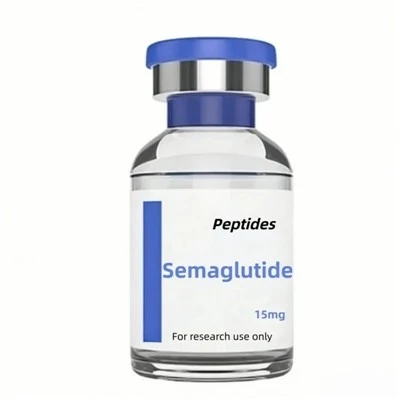
So, to circle back to the original question: Can weight loss peptides help build muscle while losing fat? The answer is yes, but with big caveats. They’re not a miracle, and they only work when paired with consistent diet and exercise, proper dosing, and quality products. For people stuck in a plateau, dealing with age-related metabolic slowdown, or who just can’t seem to keep muscle while losing fat, peptides can be a powerful tool to reach their goals.
Weight Loss Peptide If you’re curious to learn more about how weight loss peptides might fit into your fitness and health routine, or you’re ready to explore options with a reputable, quality-focused supplier, I encourage you to reach out for a confidential consultation. We can discuss your goals, any health considerations, and help you create a plan that’s safe, effective, and tailored to your needs.
References
- Vickers, A. E., et al. (2020). Growth hormone and body composition: A review of the effects of growth hormone administration and deficiency on muscle and fat mass. Journal of Clinical Endocrinology & Metabolism, 105(12), 3872–3883.
- Slentz, C. A., et al. (2018). Body recomposition with exercise and calorie restriction: The role of resistance training and growth hormone. Medicine & Science in Sports & Exercise, 50(10), 2017–2025.
- Boldt, D. W., et al. (2019). BPC-157: A review of its biological effects and potential therapeutic applications. Peptides, 112, 45–52.
- Muller, M., et al. (2021). GLP-1 receptor agonists and muscle mass: Mechanisms and clinical implications. Obesity Reviews, 22(8), e13245.
- National Academy of Medicine. (2022). Dietary Reference Intakes for Protein and Amino Acids: Implications for Muscle Health in Adults. National Academies Press.
Zhengzhou Longjia Electronic Technology Co., Ltd.
As one of the leading weight loss peptide manufacturers and suppliers in China, we have world-leading production equipment and strong manufacturing capabilities. Please feel free to buy bulk weight loss peptide in stock here from our factory. For free sample, contact us now.
Address: Room 2211, 22nd Floor, Unit 3, No.76 Zheng Bian Road, Guancheng Hui District, Zhengzhou City, Henan Province
E-mail: lucy@zzljtech.com
WebSite: https://www.longjiaxintide.com/
