As the owner of a small leather leisure sofa supplier, I’ve spent nearly a decade working with leather every single day—sourcing hides from tanneries that specialize in furniture-grade leather, repairing sofas that customers have mistreated over the years, and answering dozens of weekly calls from people asking, “How do I keep my sofa looking like the day I brought it home?” Leather is a living material, not a synthetic fabric, and that means it needs specific, consistent care to stay soft, supple, and free of cracks or discoloration. Too many people treat their leather sofas like they would a microfiber couch—using harsh cleaners, leaving them in direct sun, or ignoring small stains until they become permanent—and I’ve seen first-hand how that ruins furniture that’s designed to last 20+ years. This guide is built on the mistakes I’ve learned from, the feedback from my customers, and the work of leather care specialists we partner with to support our products. Leisure Sofa

First, let’s start with the basics: what kind of leather is on your leisure sofa? Not all leather is created equal, and that changes how you care for it. At our company, we use two primary types for our leisure sofas: top-grain leather and full-grain leather. Top-grain is the most common—it’s the top layer of hide, sanded lightly to remove imperfections, which makes it durable but slightly more sensitive than full-grain. Full-grain is the thickest, most natural layer, with its original texture and pores intact, so it breathes and ages beautifully, but it needs a little more attention to protect it. The care steps I’ll outline work for both, with small tweaks I’ll note for each.
One of the biggest mistakes people make is forgetting regular, gentle cleaning. Leather doesn’t trap dust like fabric, but dust and dirt can grind into the surface over time, especially around armrests, seat cushions, and the area where people rest their legs—places that get the most use. If you let that build up, it can dry out the leather, leading to cracks and a dull finish. We recommend doing a light clean every two weeks, and a deep clean once a season. For the light clean, all you need is a dry, lint-free microfiber cloth (avoid old cotton towels, which can leave fuzz on the leather) and a soft-bristled brush, like an old toothbrush with the bristles still soft. First, use the brush to gently brush along the seams and crevices of the sofa to loosen any dust crumbs that have settled. Then, use the microfiber cloth to wipe down the entire surface in circular motions, applying light pressure—don’t scrub hard, that can scratch the leather. For armrests and the back of the sofa, pay extra attention to where skin oils and lotion from hands and arms build up; a quick wipe here will prevent discoloration from those oils. If you have full-grain leather, you can use a slightly damp (not wet) cloth for the light clean, but only if the leather is looking dull—too much moisture can cause warping or water spots on top-grain.
When it comes to deep cleaning, you need to be careful—harsh soaps, bleach, or even dish soap are absolute no-nos. These strip the natural oils that keep leather soft, and they can leave permanent white marks or discoloration. Stick to a pH-neutral leather cleaner, the same kind we use to clean our showroom sofas, and test it on an inconspicuous area first—like the back corner of the sofa, where it won’t be visible—to make sure it doesn’t change the color or finish. To deep clean, mix a small amount of the pH-neutral cleaner with warm (not hot) water, dampen your microfiber cloth with the solution, wring it out until it’s almost dry (it should only feel slightly damp), and wipe the sofa in sections. Don’t let the solution sit on the leather for more than 10 seconds, and immediately wipe it dry with a second clean microfiber cloth. Once the section is dry, you can move to the next. For full-grain leather, you may want to add a small amount of leather conditioner after the deep clean, but I’ll talk more about conditioning later. For top-grain, wait at least 24 hours after deep cleaning before conditioning to make sure the leather is completely dry.
Stains are inevitable—spilled coffee, wine, soda, even pet accidents—so knowing how to handle them quickly is key. The first rule is: act fast. The longer a stain sits, the harder it is to remove, and the more likely it is to permanently discolor the leather. For water-based stains, like coffee or soda, start by blotting the stain with a dry microfiber cloth—don’t rub, that will push the stain deeper into the leather and spread it. Blot firmly, applying pressure, until no more moisture comes up on the cloth. If the stain is still there, mix a tiny bit of pH-neutral leather cleaner with water, dampen a cloth, and blot the stain gently, then dry immediately. For oil-based stains, like wine that’s been spilt and soaked in, or lotion, you want to avoid water entirely. Instead, use a small amount of cornstarch or talcum powder, sprinkle it thickly over the stain, and let it sit for 8–12 hours (overnight is perfect). The powder will absorb the oil from the leather. After it’s sat, brush away the powder with the soft-bristled brush, and the stain should be gone. For stubborn oil stains, you can use a small amount of leather oil (not conditioner) designed for furniture, but test it on an inconspicuous area first. For pet accidents, first remove any solids with a paper towel, then blot the area with a cloth dampened with water and a tiny bit of leather cleaner, then dry immediately—never use ammonia, which can react with leather and cause discoloration.
Conditioning is the step most people skip, and it’s the most important for keeping your leather sofa looking new. Leather, like skin, needs moisture to stay supple. Every 6–12 months, depending on how often you use the sofa, you should condition it with a high-quality leather conditioner—again, avoid products that are labeled “saddlery” or “shoe polish,” those are for different types of leather and can damage furniture leather. At our supplier, we recommend a conditioner that’s made specifically for top-grain and full-grain furniture leather, because it has the right balance of oils to penetrate the surface without leaving a greasy residue. Before conditioning, make sure the sofa is completely clean and dry—if there’s any dust or cleaner residue, it will be trapped under the conditioner, leading to a dull finish. Test the conditioner on an inconspicuous area first, then apply a thin, even layer to the entire surface of the sofa using a clean microfiber cloth, working in circular motions. Don’t apply too much—if the leather starts to look greasy, you’ve used too much. Let the conditioner sit for 15–20 minutes, then buff off any excess with a second dry microfiber cloth. For full-grain leather, you can condition every 6 months because it’s more porous; for top-grain, every 12 months is usually enough, unless your home has very dry air (like in winter, or in a desert climate) in which you can do it every 8 months.
Now, let’s talk about where you place your leather leisure sofa—this is a factor people rarely think about, but it can make or break the lifespan of your sofa. Direct sunlight is the number one enemy of leather. UV rays fade the color of leather over time, turning it dull and patchy, and they can dry out the surface, leading to cracks. If you have to place your sofa near a window, use heavy curtains or blinds to block direct sunlight during the brightest parts of the day. Avoid placing it near heat sources too—space heaters, fireplaces, even radiators. Dry heat evaporates the natural oils in leather much faster than normal, leading to a tight, stiff surface that cracks easily. If you have central heating or air conditioning, make sure the sofa is at least 3 feet away from vents, so the airflow doesn’t dry out the leather. Also, try to rotate the cushions every 3–6 months, especially if you have a sectional or a sofa with multiple seat cushions. Sitting in the same spot every day compresses the leather on that part of the sofa, leading to uneven wear, and rotating cushions helps distribute the pressure evenly, keeping the sofa looking balanced for years.
There are a few common myths about leather sofa care that I hear all the time, and I want to clear those up. First, you don’t need to “break in” new leather by rubbing it with alcohol or leather oil right away. New leather has all the natural oils it needs, and over-conditioning a new sofa can clog the pores, leading to a greasy finish that’s hard to fix. Wait at least 3 months before your first conditioning, and even then, use a thin layer. Second, you don’t need to clean your leather sofa with furniture polish. Wood polish is designed for wood, and it has chemicals that will coat leather, preventing it from breathing and leading to a dull, sticky finish. Third, pets don’t ruin leather if you take basic steps. A small scratch from a cat’s claw is normal, but you can trim your pet’s nails regularly, and wipe down the sofa after your pet sits on it to remove hair and dirt, which can grind into the leather. If you do get a small scratch, you can use a small amount of leather repair balm that matches the color of your sofa, apply it gently to the scratch, and buff it off—this will fill in the scratch and make it almost invisible.
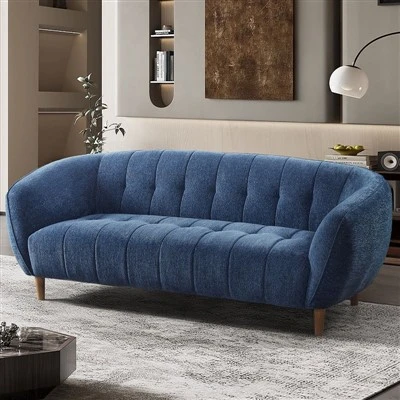
Over the years, we’ve seen sofas that our customers have kept for 25 years, looking better than sofas that were neglected for 5 years. The difference is consistent, gentle care. Leather is an investment—we build our leisure sofas to last, and with the right care, yours will be a piece of furniture that your family uses for generations. If you’re in the market for a new leather leisure sofa, or you need more specific care advice for the one you already have, our team is here to help. We work with residential customers, interior designers, and businesses across the country, and we can help you choose the right sofa for your space, as well as share personalized care tips based on your climate and how often you use your sofa. Whether you have questions about stains, conditioning, or placement, don’t hesitate to reach out to our team to discuss your needs. We’re not just a leather leisure sofa supplier—we’re here to make sure your furniture stays as beautiful and comfortable as the day you brought it home.
Sectional Sofa References
- Leather Care Institute. (2022). Guidelines for maintaining furniture leather.
- American Furniture Manufacturers Association. (2021). Natural leather care best practices for residential spaces.
- Tannery Association of North America. (2023). Understanding top-grain and full-grain leather care requirements.
Huizhou Ramson Technology Co., Ltd.
Huizhou Ramson Technology Co., Ltd. is one of the most professional leisure sofa manufacturers and suppliers in China, also supports customized service with low price. Please feel free to wholesale bulk classy leisure sofa from our factory. Contact us for pricelist.
Address: Building 3-4, Changlonggang Industrial Park, Tiantou Village, Shatian Town, Huiyang District, Huizhou City, Guangdong Province
E-mail: jscsofa@jsc-furniture.com
WebSite: https://www.jsc-sofa.com/
