If you’ve ever walked past a modern residential building, a low-rise commercial storefront, or even a community park structure, you’ve probably seen fiber cement boards without realizing it. For over a century, this building material has evolved from a niche industrial product to a go-to solution for architects, contractors, and homeowners who balance durability, versatility, and cost-effectiveness. As a fiber cement board supplier with years in the industry, I’ve spent countless hours answering the same question from clients, both new and returning: “What exactly are these boards used for, and why should I care?” Let’s break it down, not just with technical specs, but with real-world applications that make fiber cement boards stand out in every project. Fiber Cement Boards
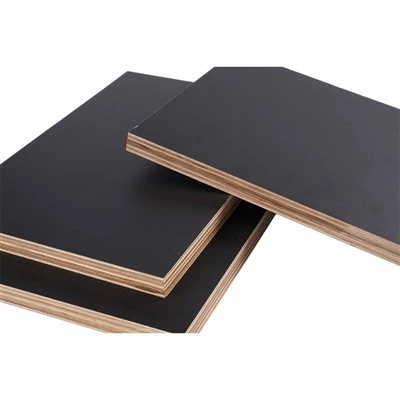
First, let’s ground this in what fiber cement boards actually are, because context matters. Unlike solid cement or wood, they’re a mixture of Portland cement, cellulose fibers (to add tensile strength, so the material doesn’t crack when bent), and sometimes sand or fly ash to adjust density. That combination gives them a unique set of properties: they’re fire-resistant, waterproof, insect-proof, and don’t warp, rot, or fade like many common alternatives. That’s why, for instance, when coastal contractors deal with salt air and high humidity, or when residential builders in wildfire-prone zones need code-compliant exterior cladding, fiber cement is their first call.
Let’s start with the most widespread use: exterior wall cladding. This is where fiber cement boards have made their biggest mark, and for good reason. Traditional cladding options—vinyl, wood, stucco, aluminum—each have flaws. Vinyl can crack in extreme cold and becomes brittle over time; wood attracts termites and needs regular staining every 3 to 5 years; stucco cracks easily with foundation shift and is prone to water damage if not installed perfectly. Fiber cement avoids all of these. It can mimic the look of lap siding, wood shingles, or even stone, so homeowners get the aesthetic they want without the upkeep. For example, last year I worked with a client in Florida building a subdivision near the coast. They specified fiber cement cladding for every home. The local building code requires materials that resist high winds (up to 180 mph in that region) and salt corrosion, and fiber cement checks both boxes. It doesn’t swell from rain, doesn’t fade after years of sun exposure, and doesn’t attract termites—no more annual pest treatments for exterior walls. For commercial projects, this use case is just as common: strip malls, restaurant exteriors, and office buildings often use fiber cement because it’s lightweight enough for existing structural frames, and it reduces long-term maintenance costs. I’ve had clients tell me that their fiber cement clad buildings had zero exterior repairs in 10 years, whereas their neighboring buildings with vinyl siding had to replace half their panels after a single winter storm.
Next, interior applications, which many people don’t realize fiber cement boards excel at. One of the most popular is fire-rated wall and ceiling assemblies, especially in commercial spaces like hospitals, schools, and restaurants. Building codes in most regions require these spaces to have walls that resist fire spread for 1 to 2 hours, and fiber cement is a non-combustible material (it doesn’t burn, and it doesn’t release toxic fumes when exposed to high heat). I supplied boards for a middle school renovation in Ohio last year; the project needed fire-resistant partitions between classrooms and the gym, and the contractor chose fiber cement over drywall because drywall, even fire-rated, can crumble when exposed to prolonged heat, leaving structural gaps. Fiber cement stays intact, so it maintains fire separation. For residential interiors, fiber cement is used for backsplashes in kitchens and bathrooms, especially in homes with open floor plans where cooking splatters or bathroom moisture can damage drywall. It’s also a great alternative for baseboards that get kicked or scraped; it doesn’t dent or scratch easily, so it’s perfect for high-traffic spaces like entryways or playrooms. Last month, a homeowner called me asking for boards to line their laundry room, because their previous drywall had mold from excess moisture. Fiber cement doesn’t absorb water, so mold or mildew can’t grow on its surface—no more repainting or replacing damaged drywall.
Another critical application is roof and wall underlayment, a part of a building that’s often hidden but makes a huge difference in longevity. Fiber cement underlayment is used as a moisture barrier and structural layer under roofing materials like shingles, metal panels, or tiles. Traditional underlayment (felt paper or synthetic membranes) can tear during installation, degrade over time from UV exposure, or trap moisture in the roof deck, leading to rot. Fiber cement underlayment is rigid, water-resistant, and can handle the weight of heavy roofing materials, like clay tiles, without bending or breaking. I worked on a small residential roofing project in Arizona, where the hot sun breaks down synthetic underlayment in just 5 years. The client switched to fiber cement underlayment, which is rated to last the lifetime of the roof (about 30 years, compared to 10 to 15 for synthetic options). It’s also resistant to wind uplift, so it doesn’t peel away during monsoon season, a common issue in that area. For wall underlayment, it’s used as a structural sheathing for exterior walls, providing additional insulation and wind resistance, especially in areas with severe weather. Many building codes now require sheathing that resists high winds, and fiber cement sheathing is a cost-effective option compared to OSB or plywood, which can swell if exposed to water during construction.
Then there are specialty applications, which show just how versatile fiber cement boards can be. One of my favorite recent projects is custom outdoor structures: pergolas, gazebos, and exterior kitchen countertops. Homeowners are moving away from wood for these structures because they require constant sealing and can rot after a few years. Fiber cement can be cut and shaped to fit any design, so it’s perfect for custom countertops that hold up to heat from grills, stains from food, and rain. It doesn’t fade, so a gazebo clad in fiber cement will look the same in 20 years as it did when it was built. Another specialty use is interior wainscoting. Many older homes get wainscoting made of wood, but it’s prone to scuffs and water damage. Fiber cement wainscoting is easy to clean—just wipe it down with a damp cloth—and it can be painted or stained to match any interior style. Last year, a historic home renovation in New England used fiber cement wainscoting to update a dining room; it fit the 1920s aesthetic of the home, and the homeowners didn’t have to worry about their kids scuffing it or spills leaving permanent marks.
I’d be remiss if I didn’t mention the sustainability angle, too, which is a big part of why more people are choosing fiber cement boards now. Unlike vinyl, which is made from plastic and takes hundreds of years to decompose, or wood from old-growth forests, modern fiber cement boards are made with a mix of recycled materials: fly ash (a byproduct of coal power plants) and recycled cellulose fibers, so they have a lower carbon footprint. They’re also durable—lasting 50 to 100 years with minimal maintenance, which reduces waste from replacing exterior materials every decade. When a building is demolished, fiber cement can often be recycled into new building products, unlike many other exterior materials that end up in landfills. That’s not just a marketing point; it’s why architects are specifying fiber cement for green building projects that need LEED certification, or for residential clients who want to reduce their home’s environmental impact.
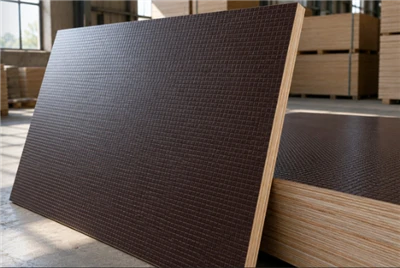
Of course, like any building material, fiber cement has specific installation considerations that matter, especially if you’re a contractor or homeowner doing a DIY project. For example, it’s heavier than drywall or vinyl, so it requires proper structural framing to support it. It also needs to be sealed with a breathable caulk around seams, so moisture doesn’t get trapped between the boards and the wall. As a supplier, I always make sure to walk my clients through these details, provide installation guides, and even connect them with contractors who specialize in fiber cement work—because even the best material won’t perform well if it’s installed incorrectly.
F17 Standard CD Structural Plywood Whether you’re building a new home, renovating an office, or adding an outdoor space to your backyard, fiber cement boards offer a combination of benefits that few other materials can match: durability, low maintenance, versatility, and sustainability. I’ve been in this business long enough to see trends come and go—vinyl was all the rage in the 90s, wood siding had a big comeback, but fiber cement has stayed because it solves real problems that clients face year after year. If you’re considering using fiber cement for your next project, or you want to learn more about how it can fit your needs, don’t hesitate to reach out to discuss your requirements and find the right solution for your project.
References
- National Association of Home Builders. (2022). Durable Exterior Cladding Materials: A Comparative Analysis. NAHB Research Center.
- International Code Council. (2021). Fire-Resistance Ratings for Non-Combustible Building Materials. ICC Technology & Research Department.
- Forest Products Laboratory. (2020). Sustainable Building Materials: Fiber Cement and Life Cycle Assessments. U.S. Department of Agriculture.
- Coastal Construction Magazine. (2023). Materials Resistant to Salt Corrosion and High Winds in Coastal Zones. Hanley Wood Media.
- American Institute of Architects. (2022). Green Building Materials Guide for Commercial Projects. AIA Materials & Resources Group.
Shandong Rogge Wood Industry Co., Ltd.
As one of the most professional fiber cement boards manufacturers in China, we also support customized service. We warmly welcome you to buy bulk premium fiber cement boards from our factory. If you have any enquiry about cooperation, please feel free to email us.
Address: No.1 Road, Jinyang Village, Huyang Town, Felxlan County, Linyi City, Shandong China.
E-mail: sales@roggewood.com
WebSite: https://www.roggewood.com/
