If you’ve ever stepped into a sweltering car only to find your AC blowing warm air, you know how frustrating that can be. As someone who’s spent years working with automotive air conditioning hoses—first in workshops, now as part of the team supplying those hoses to repair shops and DIYers alike—I’ve seen way too many people jump to mechanics for simple leaks they could check at home, saving time and money. The good news is, checking for AC hose leaks doesn’t require fancy tools or a dealership’s budget. With a little patience and the right approach, you can spot issues before they turn into costly repairs. Automotive Air Condition Hose
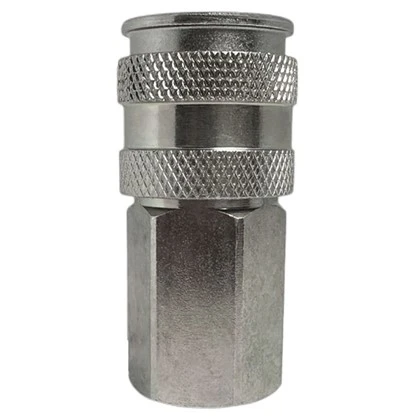
First, let’s start with why AC hose leaks happen in the first place. Automotive AC systems run on refrigerant (usually R-134a, though some older vehicles use R-12) that circulates through hoses, metal lines, and the evaporator and compressor to cool your car. Over time, those hoses take a beating: they’re exposed to road grime, temperature swings from 100-degree summer days to freezing winters, and vibration from driving. The rubber in the hoses can crack, the metal crimps that connect hoses to fittings can loosen, and even the seals around those fittings can wear out. A tiny leak—sometimes just a few ounces of refrigerant a month—can cut your cooling power in half before you even notice, which is why regular checks matter.
Before you get started, gather a few supplies you probably already have around the house, plus a couple of affordable items that make the job easier. You’ll need a flashlight (a magnetic one is great for getting into tight spots), a clean cloth or paper towels, a can of water with a little dish soap mixed in (a DIY leak detector that’s way cheaper than store-bought options), and if you want a more thorough check, a UV leak detection kit (you can pick these up at auto parts stores for $20-$30, and they come with a fluorescent dye to spot hidden leaks). Skip the expensive electronic leak detectors if you’re just starting out—soapy water works for 90% of home checks.
The first step is to safely access your AC hoses. Most cars have two main hoses: the high-pressure hose (which runs from the compressor to the condenser, or condenser to evaporator) and the low-pressure hose (from evaporator back to compressor). They’re usually made of rubber with metal reinforcing, and they run along the underside of the engine bay, near the firewall, or along the frame of the car. Never work on a hot engine—let your car cool for at least an hour after driving, because AC systems hold pressure that can cause burns if released suddenly. If you’re not sure where your hoses are, pop the hood and follow the thickest black rubber line connected to the AC compressor (that’s the low-pressure side) and the thinner metal line with a rubber cover (that’s the high-pressure side). If you still can’t find them, a quick Google search for your car model’s AC diagram will pull up a clear visual.
Once you can see the hoses, start with the visual check, which is the simplest and fastest part. Grab your flashlight and shine it along every inch of both hoses, checking for obvious signs of damage. Look for cracks, blisters, or bulges in the rubber—those are surefire signs the hose is wearing out. Pay extra attention to the ends where the hose connects to metal fittings; a thin layer of oil around the crimp or seal is a red flag. AC refrigerant is mixed with a tiny amount of oil to lubricate the compressor, so a leak will leave that oil residue behind, even if the refrigerant itself is hard to see. If you spot oil, that’s almost certainly where your leak is coming from. Also, check for loose clamps—if a hose has shifted, it can pull away from the fitting and cause a slow leak.
If the visual check doesn’t turn up anything, the soapy water test is your next step, and it’s surprisingly effective. Mix a few drops of dish soap into a spray bottle of water, shake it up, and spray it liberally all over the hoses, fittings, and connections. Then turn your car’s AC on to the maximum setting, with the blower on high. Watch closely—if any bubbles start to form where you sprayed, that’s where the refrigerant is escaping. The pressure from the running AC pushes the soapy water into the leak, making it visible. This test works because the bubbles are a visual indicator of pressure loss, which is exactly what a leak is. I’ve used this test hundreds of times in workshops, and it’s never failed us for obvious leaks.
For hidden leaks that are too small to show up with soapy water, or leaks that are on hard-to-reach parts of the system, a UV dye kit is the way to go. Most DIY kits come with a small amount of fluorescent dye that you add to your AC system through the low-pressure port (you’ll need to follow the kit’s instructions, but it’s as simple as attaching a can to the port and squeezing it in). Once the dye is in, run your AC for 10-15 minutes to let it circulate, then use a blacklight (included in the kit) to shine along the hoses. Any leak will glow bright green or yellow under the blacklight, even if it’s just a tiny pinhole in the hose. This is great for leaks that are inside the hose or under layers of grime that you can’t wipe off for the visual check.
Now, a few important safety notes to keep in mind. Never open the AC system’s service ports or remove a hose while the system is pressurized—this can cause refrigerant to spray out, which is harmful to your skin and eyes. If you’re not comfortable adding dye to the system, leave that part to a professional, or look for a kit that doesn’t require releasing refrigerant (many modern cars don’t need that). Also, if you find a leak, don’t ignore it. Even a small leak will get bigger over time, and running your AC with low refrigerant can damage the compressor, which is one of the most expensive parts of the system to replace. As an AC hose supplier, I’ve seen too many DIYers put off fixing a small leak, only to end up with a broken compressor that costs 10 times more than a simple hose replacement.
Wait, what if your hose isn’t cracked, but the leak is at the connection point? Those are usually the easiest to fix. If the clamp is loose, you can tighten it with a wrench (just don’t over-tighten, because that can damage the fitting). If the seal is worn, you can replace the O-ring or gasket at the end of the hose—most auto parts stores carry these, and they’re cheap. But if the hose itself is damaged (cracked, bulged, or has a large hole), the only fix is to replace the hose. That’s where we come in: we supply high-quality, durable AC hoses made with reinforced rubber that’s built to stand up to road conditions, so you don’t have to worry about leaks coming back a few months later.
I know a lot of DIYers prefer to tackle car repairs on their own, and checking for AC hose leaks is a great first project. It saves you the time and expense of a mechanic’s visit, and it gives you peace of mind that your AC is working properly. But if you find a leak that’s beyond your skills, or if you need a replacement hose, don’t hesitate to reach out. We work with both repair shops and individual DIYers, so whether you need one hose or a bulk order for your shop, we can help you get the right part at a fair price.
After all, a working AC isn’t just a luxury—it’s a safety feature. On a hot day, being able to keep cool helps you stay focused on driving, and that’s something no one should have to go without. Taking 30 minutes to check your hoses once a season can save you from a lot of headaches down the road. If you have questions about AC hoses, leaks, or need help finding the right part for your vehicle, don’t hesitate to get in touch. We’re here to make sure your automotive AC system works as it should, from the hose to the vents.
Air Conditioning Fitting References
Automotive Air Conditioning Systems: Operation, Diagnosis, and Service, 5th Edition, Delmar Cengage Learning
Mobile Air Conditioning Society (MACS) Training Manual, 2023
Consumer Reports: "How to Check Your Car’s AC for Leaks", 2022
Society of Automotive Engineers (SAE) Standard J2064: Mobile Air-Conditioning Refrigerant Compatibility and Hoses
Ningbo Haidu Auto Parts Co., Ltd.
As one of the most professional automotive air condition hose manufacturers and suppliers in China, we’re featured by cheap products and good service. Please rest assured to buy durable automotive air condition hose at competitive price from our factory. Also, OEM service is available.
Address: No21 zhoujialupeng,Zhushan Village,Lizhousub-district Yuyao City.Ningbo City,Zhejiang Province
E-mail: sale6@cnsiliconehose.com
WebSite: https://www.cnsiliconehose.com/
