Hey there! If you’ve ever stood in a hardware store staring at two big, heavy rolls of tarp—one shiny, plastic-y, kind of crinkly, and the other thick, woven, rough as a work boot—you’ve probably wondered what’s actually different between them. I’m not just some random blogger, by the way—I run a PE tarpaulin supply biz, so I’ve fielded this question from everyone from roofers covering job sites to parents protecting backyard party gear to farmers keeping their hay bales dry. Let’s break this down like we’re chatting over a coffee, no stuffy industry jargon, promise. PE Tarpaulin
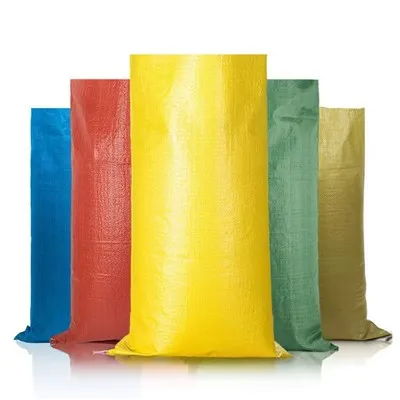
First off, let’s get the basics straight: PE tarpaulin (that’s the shiny plastic kind, in case you weren’t sure) and canvas aren’t just two “types of tarp” that you pick based on color. They’re made from totally different materials, built for totally different jobs, and work wildly well in different scenarios. I’ve seen people grab a canvas tarp for a construction site and end up furious when it soaks through after one rain, or use a flimsy PE sheet to cover a boat and watch it tear in half from a gust—don’t be that person.
Let’s start with what PE tarpaulin actually is, since that’s my wheelhouse. PE stands for polyethylene, right? It’s a thermoplastic, basically a fancy kind of plastic that’s melted down, extruded into thin strands, woven into a mesh, and then coated on both sides with more polyethylene to seal it. Wait, so it’s not just a single sheet of plastic—though cheap, thin ones are, but the good bulk PE tarps I supply have that woven core plus the smooth coating. That coating is a game changer: it’s what makes it waterproof, because the woven mesh doesn’t have gaps left open to water. Unlike canvas, which is fabric at its core, PE is plastic through and through. Now, canvas is a woven fabric, usually made from cotton these days (though back in the day it was hemp) that’s super thick, heavy, and has that textured, matte look. No plastic coating there—just tight, heavy threads twisted together. That material difference is the root of every other split between the two.
Next up, waterproofing is the big one, and this is where the lines get super clear. I can’t tell you how many times a guy comes to me asking for a tarp to cover his tools in a construction zone, and tries to haggle for a canvas one because it looks “sturdier.” Newsflash: canvas is water-resistant, not waterproof. At all. If you leave a canvas tarp out in a heavy downpour for more than a couple hours, the fabric absorbs water like a sponge. It’ll get soggy, heavy, and by the time you go to pick it up, it’s dripping from every thread. Even treated canvas (the kind they sell for camping tents or patio furniture) has a water-repellent coating, not a waterproof one. That coating can wear off after a few seasons of sun and dirt, too.
PE tarpaulin? That’s straight-up waterproof. No ifs, ands, or buts. The plastic coating seals every single gap in the woven mesh, so water just beads up and rolls right off. I’ve had customers use my PE tarps to cover everything from backyard ponds during floods to livestock feed outside in the rain, and not a single drop gets through—even after days of heavy rain. The only time a PE tarp will let water in is if it’s got a rip or tear big enough to break through the plastic coating, and even then, the weave still slows it way down compared to canvas.
Now let’s talk about durability and weight, because those two go hand in hand. Let’s be real: if you’re hauling a tarp up a ladder to cover a roof, or dragging it 50 yards across a muddy field, you don’t want a 100-pound cloth that’s impossible to carry. PE tarpaulin is way lighter for the same size. A 10×10 foot PE tarp that’s 6 mil thick (that’s the standard heavy-duty one I sell) weighs like 2 pounds max. The same size canvas tarp? That’s easily 5 to 8 pounds, maybe more if it’s treated. That might not sound like a huge difference until you’re carrying three of them up a ladder in 90-degree heat.
But wait—don’t write off canvas as fragile just because it’s lighter. Canvas is actually tough in its own way, but it’s tough against abrasion, not tearing or water. If you’re dragging a tarp over a sharp pile of nails or a jagged piece of metal, canvas will hold up better than thin PE, but heavy-duty PE tarps (like the 12 mil or 16 mil ones I have for industrial use) can take a beating, too. The downside? PE is prone to UV damage if it’s not treated. If you leave a regular PE tarp out in the sun for more than a season, the UV rays break down the plastic, making it brittle and prone to tearing. But the good news is, I supply UV-stabilized PE tarpaulins that last 3 to 5 years even with full sun exposure—way longer than cheap no-name PE tarps. Canvas, on the other hand, fades in the sun, but it doesn’t get brittle. It’ll just look weathered, which some people actually like for aesthetic purposes.
Speaking of uses—this is where picking the right one makes all the difference. Let’s break down when to reach for PE tarpaulin vs. canvas, based on what I see customers actually needing. PE is for when you need reliable, no-fuss waterproofing, portability, and low maintenance. Construction sites: covering lumber, tools, concrete that’s curing (you don’t want that concrete getting rained on and ruined). Camping: I’ve sold tons of PE tarps for setting up extra shade or covering gear when it’s pouring—no need to carry a heavy canvas tent if you just need a quick cover. Outdoor events: covering tables, coolers, or booths at a festival. Farm use: covering hay, equipment, or livestock feed that has to stay dry. Even boat covers for short-term use, or covering a car when you don’t want to shell out for a custom cover. The big thing with PE is it’s cheap, easy to clean (just hose it off when it’s dirty), and disposable if it gets too beat up—though my heavy-duty ones don’t need to be replaced every year.
Canvas is for when you want something that looks nice, is breathable, and has that classic, rugged vibe. Patio furniture covers: canvas looks way better sitting on your backyard deck than a shiny plastic PE tarp. Tents for glamping or backyard parties—people love the rustic look of canvas. Art and crafts: canvas is the classic material for painting, obviously, but also things like banner signs or custom coverings for decor. Marine use for small boats, especially long-term—breathability is key here, because if you trap moisture under a plastic PE tarp, it can cause mold or mildew on the boat’s hull. Canvas lets air circulate, so that’s a big plus. The downside? You have to treat canvas with a waterproofing spray every year or so to keep it water-resistant, and it’s way more expensive than PE tarpaulin of the same size. A 10×10 canvas tarp will cost you twice as much as a comparable heavy-duty PE tarp, at least.
Wait, let’s not forget about cost, because that’s a huge factor for most people. PE tarpaulin is way more budget-friendly. Entry-level thin PE tarps are super cheap, even my mid-range UV-stabilized ones are a steal compared to canvas. If you need a bulk order for a construction company or a farm with 20 different areas to cover, PE is the way to go—you can replace it if it gets torn without breaking the bank. Canvas is a premium product, meant for when looks or specific performance (like breathability) matter more than cost.
I should also clear up a common myth: people think canvas is more durable overall, but that’s only true for specific types of damage. Like, if you’re using a tarp as a ground cover for a campsite, canvas will hold up to rocks and sticks longer than thin PE. But if you’re using it to cover something that gets rained on a lot, canvas will wear out way faster because of the water absorption. A wet canvas tarp is heavier, so it’s more likely to stretch or tear when you move it, and the moisture can lead to mildew growth that rots the fabric over time. PE tarpaulin doesn’t absorb water, so it stays light, and if it’s UV-stabilized, it won’t rot or mildew from being outside.
Another thing I see all the time: people mixing these up because of similar names, but PE tarpaulin is often just called “tarp” in casual conversation, while canvas is usually specified by name. But don’t let that fool you—they’re not interchangeable. Last year, a landscaper came to me with a problem: he’d rented a big canvas tarp to cover a load of soil he was delivering, and it rained overnight. The soil got soaked, turned to mud, and he had to haul it all away at a loss. If he’d used my 16 mil UV-stabilized PE tarpaulin, that soil would’ve stayed dry, no problem. On the flip side, a family came to me a while back asking for a PE tarp to cover their outdoor patio cushions, and they ended up picking canvas because I explained that PE would trap moisture and make the cushions moldy. That’s the kind of call I love helping people make—saving them from a costly mistake.
Let’s recap to make sure this isn’t all just rambling (though I do get excited about tarps, if you couldn’t tell). The core differences boil down to: material (plastic woven + coated vs. cotton woven), waterproofing (100% vs. water-resistant), weight (light vs. heavy), cost (budget vs. premium), ideal uses (construction, farm, short-term cover vs. patio, decor, long-term marine use).
At the end of the day, whether you’re a contractor needing 50 tarps for a job site, a homeowner covering your boat for the winter, or someone planning a backyard party and wanting a nice cover for your grill, picking the right tarp starts with knowing what you need it to do. If you want something that works reliably, stays dry, doesn’t cost a fortune, and holds up to the elements, PE tarpaulin is almost always the way to go. If aesthetics or breathability are your top priority, and you don’t mind spending a little more to treat it occasionally, canvas is your pick.
If you’re not sure which one fits your needs, feel free to reach out to chat more—I’m here to help you find the right product for your project, no pressure, no salesy garbage.
Woven Polypropylene Feed Bags References:
- Polyethylene Tarp vs. Canvas Tarp: Material, Performance, and Applications. International Tarp Association, 2022.
- Outdoor Fabric Durability Testing: PE Tarpaulin vs. Cotton Canvas. Journal of Textile and Apparel Technology and Management, vol. 12, no. 3, 2021.
- UV Resistance of Polyethylene Films for Outdoor Applications. Polymer Engineering and Science, vol. 58, no. 7, 2018.
- Canvas vs. Synthetic Fabrics for Marine Coverings. National Marine Manufacturers Association, 2020.
Liaoning Xunlian Packaging Products Co., Ltd.
Liaoning Xunlian Packaging Products Co., Ltd. is one of the most professional pe tarpaulin manufacturers and suppliers in China, featured by quality products and good service. Welcome to wholesale CE approved pe tarpaulin made in China here and get quotation from our factory. Customized orders are welcome.
Address: Chaoyang Industrial Park, Kangping, Shenyang, Liaoning, China.
E-mail: info@xunlianpack.com
WebSite: https://www.xunlianpack.com/
