If you’ve ever found yourself in a situation where your portable car battery charger sits unused in the back of your garage collecting dust, or you’re gearing up for a long-distance move and panicking about how to transport that heavy, sensitive piece of equipment, you’re not alone. As a car battery charger supplier who’s fielded hundreds of questions from customers over the years, one of the most common, and most critical, I get is this: how do I transport my car battery charger safely, without damaging it, and in a way that keeps my setup and my property protected? Car Battery Charger
I remember a call I got last winter from a guy named Mike, a small business owner who runs a mobile auto repair service. He’d just bought two of our heavy-duty 12V/24V industrial chargers to use on his service truck, but when he tried to load them into the bed of his pickup, one slipped off a wooden pallet, scraped its plastic casing, and cracked a small part of the internal power cord housing. “I can’t afford to have a charger fail mid-job,” he told me, his voice tight. “Now I have to send it back and wait a week, and I’m losing money every day.” That’s when it hit me: even something as routine as transporting a car battery charger isn’t as simple as throwing it in a box or a truck bed and going. There are right ways, wrong ways, and ways that could cost you time, money, or even injury.
Today, I’m breaking down everything I’ve learned from years in the industry, from shipping chargers across the country to helping customers move their personal units across town, so you can avoid Mike’s headache (and so many others like it).
First, let’s get one thing straight: not all car battery chargers are the same, and the way you transport them depends entirely on which type you have. I see this mistake all the time—people treat a tiny, 2-amp trickle charger the same way they treat a 150-amp heavy-duty jump starter, and it’s a recipe for damage. Let’s categorize the main types of car battery chargers most people use, because each has unique transport needs:
Trickle chargers: These are the small, lightweight ones—usually under 5 pounds—made for maintaining a car battery over long periods (like when your car is sitting for winter). They have minimal internal components, small power cords, and are pretty low-risk, but they’re also easily broken if dropped.
Portable jump starters (also called jump box chargers): These are the hybrid units—they have built-in jump starter batteries and a charger function, so they can both top off a dead battery and jump-start a car. They’re heavier than trickle chargers (15 to 50 pounds, depending on capacity) and have lithium-ion or lead-acid batteries inside, which need special handling.
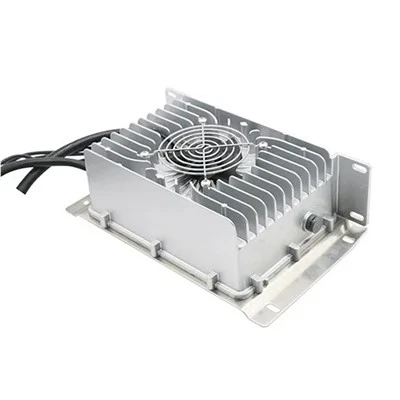
Industrial/heavy-duty on-board chargers: These are the big ones, used in auto shops, service trucks, or for charging large vehicle batteries (like semis, RVs, or golf carts). They can weigh 75 pounds or more, have thick, rigid casings, and high-voltage internal parts that are easily damaged if jostled or dropped.
That’s a quick snapshot, but let’s dive into the step-by-step for safe transport, starting with pre-transport preparation—something most people skip, but it’s the most important part of preventing damage.
Before you even think about loading the charger into a car, truck, or shipping box, there are three non-negotiable steps to do first.
-
Disconnect all power sources, fully. This might seem obvious, but you’d be shocked how many people forget to unplug the charger from the wall or disconnect it from the car battery before moving it. Even trickle chargers, when plugged in, can draw a small current that, if the cord is pinched or damaged during transport, could cause a short circuit, overheat the cord, or even start a fire. For jump starters and heavy-duty chargers, this step is critical: many of these have internal batteries that hold a charge, so disconnecting the input (and output, if applicable) prevents any accidental discharge during movement. I always tell customers: if it’s plugged in to anything—wall, car, another battery—unplug it first, and double-check. The 10 seconds you save skipping this could cost you hundreds in repairs or replacements.
-
Secure all loose components. Car battery chargers have a lot of detachable parts: power cords, alligator clips, USB adapters, carrying handles, and even external fans on heavy-duty models. If these aren’t secured during transport, they can swing, scratch the charger’s casing, wrap around internal parts, or even fall off and get lost. For small trickle chargers, this might mean wrapping the power cord around the charger’s base and securing it with a twist tie or Velcro strap (many of our chargers even have built-in cord slots for this, so use them!). For jump starters, tuck the alligator clips into their designated storage pockets (most good brands, including ours, design these to keep clips from scratching the unit or each other). For heavy-duty industrial chargers, the power cords are usually thick and unwieldy—roll them neatly and tie them with heavy-duty rope or a cargo strap, so they don’t dangle off the charger and get crushed under other items in the truck.
-
Assess the unit’s weight and fragility. If you’re transporting a heavy-duty 75-pound charger by yourself, trying to lift it alone is a recipe for back injury—and if you drop it, the internal battery (which is often lead-acid, for heavy-duty units) can crack, leak toxic acid, or damage the circuit board. Many of our industrial chargers come with built-in handles or even wheel kits for just this reason; if yours doesn’t, invest in a set of sturdy wheel dolly (rated for at least 100 pounds) before moving it. For fragility, check the charger’s manual (or contact us if you don’t have it) for any specific warnings: some high-end smart chargers have delicate circuit boards near the front panel, so you’ll want to pad that area with bubble wrap or a soft towel before moving.
Now, let’s get into the two main scenarios people transport chargers in: in a personal vehicle (truck, car, SUV, etc.) and for long-distance shipping (if you’re moving, returning a unit, or buying/selling a charger across the country). We’ll cover both, since both have unique risks.
Transporting a charger in a personal vehicle is the most common scenario, but it’s also where damage happens most often. The number one mistake here is putting the charger in the passenger seat (or even the back seat) loose, with nothing to keep it from sliding. When you hit a pothole, slam on the brakes, or get rear-ended, a 50-pound jump starter can fly forward with enough force to break your dashboard, crack the charger’s casing, or even injure someone.
So, for in-vehicle transport:
- For light units (trickle chargers, small jump starters, under 20 pounds): You can put them in the center console, a cupholder (if they’re small enough), or the back seat floor, but secure them with a small bungee cord or a towel tucked around them so they don’t shift. Never leave them in a hot car for long periods—lithium-ion batteries (used in most jump starters) degrade quickly in temperatures over 140°F, which is what a car interior can reach on a 90°F summer day.
- For medium units (20-50 pounds): The truck bed is a common spot, but don’t just throw it there. Use a non-slip mat (like a rubber cargo mat) on the bed floor, then strap the charger down with a cargo strap (ratchet straps work best for heavy items) to fixed tie-down points. Don’t strap it too tight—you don’t want to bend the casing or crush internal parts—but make sure it can’t shift at all. Also, cover it with a tarp or a heavy-duty blanket if you’re driving in rain, to protect it from water damage.
- For heavy units (over 50 pounds): If you have a pickup truck, use the wheel dolly we mentioned earlier to roll it into the bed, not lift it. Again, use tie-downs, and make sure the charger is positioned near the front of the bed, so it’s not swinging under hard braking. If you’re transporting it inside a van or SUV, place it on the floor in the cargo area, and secure it with straps to the lower anchor points—never put it on top of boxes or other heavy items, because those can crush it during movement.
Now, for long-distance shipping (if you need to send a charger via courier, USPS, UPS, etc.), the rules change a bit, because shipping companies handle hundreds of items a day, and your charger needs to survive being tossed on pallets, stacked under other boxes, and exposed to temperature extremes.
When shipping a charger:
- Use original packaging if you have it. Most quality car battery chargers (again, including ours) come with a custom-designed box, foam inserts, and even a plastic protective sleeve for the unit. These inserts are not random—they’re shaped to hold the charger’s delicate parts (like the circuit board or battery) in place, so they don’t move during shipping. If you don’t have the original box, you’ll need to create custom padding: line a new, sturdy cardboard box (at least 2 inches larger than the charger on all sides) with 2 inches of bubble wrap or packing foam, making sure to pad the front, back, and sides especially. For heavy units, add more padding around the bottom, since that’s where most impact occurs during shipping.
- Label the package correctly. Shipping companies throw around boxes, and if your charger is unlabeled, it might get tossed with items that can puncture the box. Use a permanent marker to write “FRAGILE” and “DO NOT DROP” on all four sides of the box. If the unit has a lithium-ion battery (most jump starters and portable chargers do), you’ll also need to label it “LITHIUM ION BATTERY” to comply with airline and courier regulations—this is non-negotiable, because shipping companies can refuse to transport your package if you don’t label it properly.
- Avoid overstuffing or underpacking. If your box is too big, the charger can slide around inside during shipping. If it’s too small, the padding will compress, leaving the unit exposed. Once you’ve wrapped the charger in bubble wrap, add 1 to 2 inches of packing peanuts or crumpled newspaper to fill any gaps in the box—this prevents movement, which is the leading cause of shipping damage. Close the box with heavy-duty packing tape, reinforced on all seams, so it doesn’t open during transit.
Now, let’s talk about the big “what if” questions, because I get these all the time. What if my charger has a lead-acid battery? What if it’s leaking acid? What if it’s too big to move alone?
First, lead-acid batteries (used in most heavy-duty industrial chargers and some older jump starters) are heavy, and if they crack during transport, they can leak corrosive sulfuric acid. If that happens, don’t touch it—lead-acid acid burns skin and can damage property. The best thing to do is to place the charger in a sealed plastic bucket (if you have one) before moving it, to contain any leaks. If you’re shipping it, add a layer of absorbent material (like kitty litter or baking soda) around the charger in the box to soak up any acid that leaks.
Second, if your charger is too heavy to move alone—like the 100-pound heavy-duty chargers we sell for semi trucks—don’t try to lift it yourself. Rent a furniture dolly or a hand truck (many hardware stores rent these for a day for $10-$15) to roll it, not lift it. For loading into a truck, use a ramp (again, you can rent one) to roll the charger up slowly, so you don’t drop it.
And what about storage? Wait, that’s a form of transport too, right? If you’re storing your charger for long periods (like over winter, when your car is parked), store it in a cool, dry place—basement, garage shelf, not in the attic or car, where temperatures swing drastically. Disconnect any batteries, wrap the cord, and keep it away from sharp tools that could scratch the casing.
At this point, you might be wondering: why does this matter so much? Why not just wing it? Let me tell you from experience: a damaged charger isn’t just an inconvenience. If the circuit board is cracked during transport, the charger might not work when you need it most—like when your car won’t start on a cold morning, and you’re late for work. A cracked lead-acid battery can leak acid and ruin your garage floor, your truck bed, or even cause a fire. And for business owners like Mike, the mobile repair guy, a damaged charger means lost jobs, unhappy customers, and damage to your reputation.
Here’s the thing: when you choose a quality car battery charger, you’re investing in a tool that’s supposed to work when you need it. Taking a few extra minutes to prepare it for transport—disconnecting power, securing parts, padding it, strapping it down—will extend its life, prevent damage, and save you from expensive replacements or repairs.
If you’re in the market for a new car battery charger, or if you have questions about transporting the one you already have, our team is here to help. We’ve been making car battery chargers for years, and we’ve helped thousands of customers navigate transport, use, and maintenance. Whether you need tips on moving your personal trickle charger, or you’re a business looking to buy heavy-duty units for your fleet, we can walk you through every step, make sure you get the right charger for your needs, and even share specific transport tips for the model you choose.

Don’t risk a damaged charger or a preventable accident. Reach out to our team to discuss your transport needs, ask questions, and get guidance on choosing the right charger for your lifestyle or business. We’re here to make sure you have the right tools and knowledge, so you never have to stress about how to safely move your equipment.
Marine Battery Charger References
Consumer Product Safety Commission. (2021). Portable Power Station and Jump Starter Safety Guidelines.
Automotive Equipment Manufacturers Association. (2022). Best Practices for Transporting Automotive Charging Equipment.
International Air Transport Association. (2023). Lithium Ion Battery Shipping Regulations for Consumer Electronics.
Huizhou Qiangfeng Power Technology Co., Ltd.
Huizhou Qiangfeng Power Technology Co., Ltd. is one of the most professional car battery charger manufacturers and suppliers in China, featured by quality products and good service. We warmly welcome you to buy customized car battery charger made in China here from our factory. If you have any enquiry about quotation and free sample, please feel free to email us.
Address: No. 28, Hu’ao Avenue, Shiwan Town, Boluo County, Huizhou City, Guangdong Province
E-mail: Komco@Jinlidianqi.cn
WebSite: https://www.autobatterychargers.com/
