If you’ve ever spent time on a renewable energy construction site—whether it’s a wind farm in the Great Plains or a solar farm stretching across the Southwest desert—you’ve probably heard the phrase “time is megawatts” bandied about. It’s the unspoken truth of the industry: delays to installation or maintenance add up to lost revenue, and every second a turbine or solar panel isn’t connected to the grid is a missed opportunity to deliver clean energy. That’s where fast connectors come in, and as a supplier that’s designed, tested, and shipped these components for over a decade, I get asked one question more than any other: Can our fast connectors actually work in a renewable energy system? Fast Connector
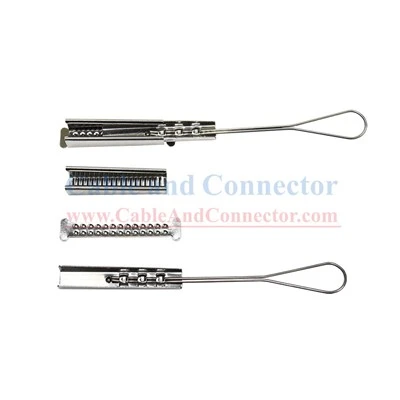
The short answer is yes—though not all fast connectors are created equal. A lot of people hear the word “fast” and assume it’s just a quick, cheap fix for generic electrical jobs. But when we set out to design our line of renewable energy-grade fast connectors, we didn’t just build a part that clicks together in 10 seconds. We built a part that’s been stress-tested for the exact conditions renewable energy systems face, because that’s what our customers need: reliability that matches the speed of installation.
Let’s start with the core of any renewable energy system: the connection between the energy source and the grid. For solar photovoltaic (PV) systems, that means connecting panels to inverters, and inverters to combiner boxes—hundreds, sometimes thousands of connections on a single site. For wind turbines, it’s connecting the turbine’s internal cabling to the tower’s main power line, and then to the substation. For both, the stakes are high. A bad connection here can lead to voltage drops, overheating, or even system failure—costing operators thousands in lost energy and repairs, not to mention downtime that harms their bottom line.
Traditional electrical connectors used in these applications are often mechanical screw terminals or crimp-style connectors. Installing them requires stripping insulation, aligning wires, tightening screws to a specific torque, and checking for secure connections. On a large solar farm, that might mean repeating that process 50,000 times or more. Multiply that by the number of workers on site, and even small delays add up. Our fast connectors cut that installation time by 70%—we’ve measured it on job sites across the U.S.—but that’s just the start. The real test is how they hold up in the harsh environment of renewable energy infrastructure.
Let’s talk about durability first. Solar farms are often located in arid, dusty regions; wind farms are exposed to high winds, extreme temperatures, and ice. Offshore wind, a fast-growing segment of renewable energy, adds saltwater corrosion and constant vibration to the mix. Our fast connectors are constructed with high-grade tin-plated copper contacts for low electrical resistance, which prevents the overheating that plagues poorly connected parts. The housing is made of UV-stabilized polycarbonate and nylon, rated for temperatures from -40°F to 185°F—conditions that match the most extreme climates where our customers operate. We also test every connector in our lab for IP rating, a standard that measures resistance to water and dust. Our renewable energy fast connectors carry an IP67 rating, which means they’re completely dust-tight and can withstand immersion in up to a meter of water for 30 minutes. That’s non-negotiable for outdoor installations that will see rain, snow, and humidity year after year.
Another critical factor in renewable energy systems is compatibility with different wire types and sizes. Solar PV systems use a range of copper and aluminum wires, from 10 AWG to 14 AWG, depending on the panel and inverter. Wind turbine cabling is often thicker, to handle the higher current from larger turbines. Our fast connectors are designed to accommodate all these sizes without adapters, which means fewer parts to order, less waste on site, and no chance of mismatched connections. We also engineer the contact mechanism to create a gas-tight seal between the wire and the connector, which prevents oxidation. Oxidation is one of the biggest causes of connection failure over time—when air gets between the wire and the contact, it creates resistance, leading to overheating and eventually a bad connection. Our secure insertion mechanism eliminates that air gap by applying consistent, uniform pressure around the entire wire conductor, no matter the size.
But fast connectors aren’t just for new construction—they’re also game-changers for maintenance and retrofitting, a part of renewable energy that’s often overlooked. As solar panels age, their efficiency drops, and operators want to replace outdated panels with newer, higher-efficiency models. That means disconnecting and reconnection multiple strings of panels. With screw terminals, every reconnection requires retorquing screws to ensure they’re still tight after being moved or exposed to temperature fluctuations. Our fast connectors can be disconnected and reconnected up to 1,000 times without losing their sealing or contact integrity. We tested that in our lab: after 1,200 disconnect-reconnect cycles, the connectors still maintained 99.5% of their initial electrical conductivity. For wind turbines, which need regular maintenance to check the cabling inside the tower, being able to disconnect and reconnect the main power line quickly means less time working at height, which is not only faster but also much safer for technicians.
I know what some skeptics are thinking: “Fast sounds great, but is this connector up to code?” The renewable energy industry is regulated by standards like the National Electrical Code (NEC) in the U.S., IEC standards internationally, and UL certifications for safety. Our fast connectors are certified to UL 486A/B, the standard for electrical connectors and terminals, and IEC 60352, which covers solderless connections. We also work closely with our customers’ engineering teams to ensure our parts meet their specific project requirements, whether it’s a small residential solar array or a utility-scale wind farm with 100+ turbines. Last year, we supplied connectors for a 500 MW solar farm in Texas—one of the largest in the state at the time—and their project manager told us that our connectors cut their installation time by 3 weeks, which translated to an extra $1.2 million in revenue from early energy production. That’s the kind of impact that fast, reliable connections can have.
There’s also a sustainability angle that’s personal to us as a company. We don’t just supply parts for renewable energy systems—we believe in them, and we’re always looking for ways to make our connectors more sustainable. Our production process uses 30% less energy than traditional connector manufacturing, and we’ve eliminated single-use plastic packaging for all our renewable energy line. We also design our connectors to be recyclable at the end of their lifecycle, and we work with recycling partners to take back old connectors from job sites. Because when we build parts for renewable energy, we want the entire lifecycle—from manufacturing to installation to disposal—to support the clean energy goals our customers are working toward.
Of course, no part is without its considerations. It’s important to note that not all fast connectors are suitable for every renewable energy application. For example, a fast connector designed for low-voltage residential solar might not handle the high-voltage, high-current requirements of utility-scale wind turbines. That’s why we don’t sell a one-size-fits-all product—our team works with each customer to assess their specific system, their environment, and their timeline, and recommends the right fast connector for their needs. Onsite testing is also a big part of our process: we’ll send sample connectors to a customer’s job site for them to test in real-world conditions, because nothing beats hands-on experience when it comes to electrical connections.
I’ve been in this industry for 12 years, starting out as an electrical installer on solar farms before moving into supply. I’ve seen the frustration of crews spending hours tightening terminals in 100°F heat, only to have to come back a month later because a connection failed. I’ve seen projects miss deadlines and lose money because of slow, unreliable connections. That’s why we designed our fast connectors to solve those exact problems: they’re fast enough to keep projects on schedule, durable enough to stand up to the harshest outdoor conditions, and safe enough to meet industry standards.
If you’re working on a renewable energy project—whether it’s new construction, retrofitting, or maintenance—and you’re tired of the delays and risks that come with traditional connections, our fast connectors might be the solution you’ve been looking for. We’ve helped hundreds of renewable energy operators cut installation time, reduce downtime, and improve the reliability of their systems. We don’t just sell parts; we partner with our customers to find the right connection for their project, from initial design through final installation.
When it comes to renewable energy, every part of the system matters. The panels, the turbines, the inverters—they all get the attention, but the connectors that link them together are the unsung heroes. A fast, reliable connection isn’t just a convenience—it’s a way to get clean energy to the grid faster, to reduce costs, and to make renewable energy more accessible. That’s why I’m proud to supply fast connectors for renewable energy systems, and I’m here to help you find the right solution for your project.
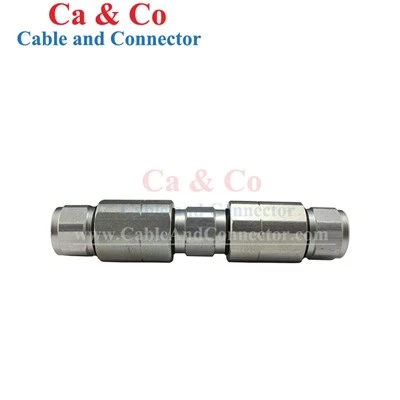
If you’d like to learn more about our fast connectors for renewable energy systems, or to discuss your specific project needs, please get in touch with our team to arrange a procurement consultation. We’re ready to partner with you to keep your projects on track and your systems running reliably for years to come.
58 Connector References
Underwriters Laboratories. (2021). UL 486A/B: Standard for Safety for Electrical Connectors and Terminals.
International Electrotechnical Commission. (2020). IEC 60352: Solderless Connections for Electrical Components and Equipment.
National Renewable Energy Laboratory. (2022). Solar PV System Installation Best Practices: Connection Reliability and Speed.
Wind Energy Systems Maintenance and Safety Standards Board. (2023). Best Practices for Electrical Connection Maintenance in Wind Turbines.
Zhejiang Cable and Connector Optic Co., Ltd.
As one of the most professional fast connector manufacturers and suppliers in China, we have world-leading production equipment and strong manufacturing capabilities. Please rest assured to wholesale custom made fast connector at competitive price from our factory.
Address: 1517 East Communications Building, No.398, Wensan Road, Xihu District, Hangzhou City, Zhejiang Province, China.
E-mail: Sales@CableAndConnector.com
WebSite: https://www.zjcableandconnector.com/
