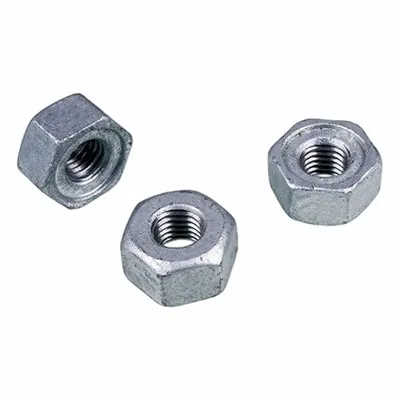
As a supplier of hex long nuts, I often receive inquiries from customers about various aspects of these products, and one question that frequently comes up is whether there are any requirements for the storage temperature of hex long nuts. In this blog post, I’ll share my knowledge and insights on this topic based on years of experience in the industry. Hex Long Nut
The Impact of Temperature on Hex Long Nuts
Corrosion
One of the most significant concerns when it comes to the storage of hex long nuts is corrosion. Different metals used in manufacturing hex long nuts have varying degrees of susceptibility to corrosion. For example, steel nuts are prone to rust when exposed to moisture and oxygen. High temperatures can accelerate the corrosion process. When the temperature rises, the rate of chemical reactions increases. In the case of steel hex long nuts, the iron in the steel reacts with oxygen and water to form iron oxide (rust).
If the storage temperature is too high, say above 60°C (140°F), and the environment has even a small amount of humidity, the nuts can start to corrode within a relatively short period. On the other hand, extremely low temperatures can also cause problems. In cold environments, moisture in the air can condense on the surface of the nuts. When this happens, the water can act as an electrolyte, facilitating the corrosion process.
Material Properties
Temperature can also affect the material properties of hex long nuts. For instance, some metals may become more brittle at low temperatures. Steel, in particular, can experience a phenomenon called cold embrittlement. When the temperature drops below a certain point, known as the ductile – brittle transition temperature, the steel loses its ductility and becomes more likely to fracture under stress.
For most common steel hex long nuts, the ductile – brittle transition temperature can range from – 20°C to – 40°C (- 4°F to – 40°F). If the nuts are stored at such low temperatures and then subjected to sudden impacts or high – stress applications, they may crack or break.
Conversely, high temperatures can cause the metal to expand. This expansion can lead to changes in the dimensions of the hex long nuts. If the nuts are stored in a confined space and expand due to high temperatures, they may become stuck or deformed, which can affect their functionality when used in applications.
Recommended Storage Temperatures
Based on the above considerations, I recommend storing hex long nuts within a temperature range of 10°C to 30°C (50°F to 86°F). This temperature range is relatively stable and helps to minimize the risks associated with corrosion and changes in material properties.
In this temperature range, the rate of corrosion is significantly reduced compared to higher temperatures. The nuts are also less likely to experience cold embrittlement or excessive expansion. Additionally, a stable temperature environment helps to maintain the integrity of any protective coatings that may have been applied to the nuts during the manufacturing process.
If it is not possible to maintain the nuts within this ideal temperature range, it is important to take additional precautions. For example, if the storage temperature is higher, ensure that the storage area is well – ventilated to reduce humidity. If the temperature is lower, provide insulation to prevent moisture from condensing on the nuts.
Storage Conditions Beyond Temperature
While temperature is an important factor, it is not the only consideration when storing hex long nuts. Humidity also plays a crucial role. The relative humidity in the storage area should be kept below 60%. High humidity can significantly increase the risk of corrosion, especially when combined with unfavorable temperatures.
It is also important to store the nuts in a clean and dry environment. Dust and dirt can accumulate on the surface of the nuts, which can hold moisture and promote corrosion. The storage containers should be sealed properly to prevent the entry of moisture and contaminants.
Importance of Proper Storage for Customers
For our customers, proper storage of hex long nuts is essential to ensure the quality and performance of the products. When nuts are stored under the right conditions, they are less likely to experience corrosion or damage, which means they will have a longer service life. This translates into cost savings for our customers in the long run, as they won’t have to replace the nuts as frequently.
In addition, well – stored nuts are more likely to meet the required specifications. The dimensions and material properties of the nuts remain stable, which is crucial for applications where precise fitting and performance are required.
Conclusion
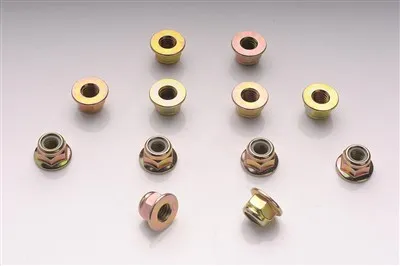
In conclusion, there are indeed requirements for the storage temperature of hex long nuts. Storing them within the recommended temperature range of 10°C to 30°C (50°F to 86°F) helps to prevent corrosion, maintain material properties, and ensure the long – term quality of the products. Along with temperature, other factors such as humidity and cleanliness of the storage environment also need to be considered.
Hexagon Socket Bolt If you are in the market for high – quality hex long nuts and want to learn more about how to store them properly or have any other questions, I encourage you to reach out to me for a procurement discussion. I’m always happy to share my expertise and help you find the right solutions for your needs.
References
- ASM Handbook Volume 13A: Corrosion: Fundamentals, Testing, and Protection.
- Metals Handbook Desk Edition, 3rd Edition.
Jiaxing Jinling Hardware Technolgy Joint Stock Co., Ltd.
As one of the most experienced hex long nut manufacturers and suppliers in China, we also support customized service. Please feel free to buy bulk high-grade hex long nut made in China here from our factory. For quotation and price list, contact us now.
Address: No.32, Shenjiadai, Xuyouche Village, Qinshan Subdistrict, Haiyan County, Zhejiang Province, China
E-mail: jlzxl@jinlingfstn.com
WebSite: https://www.china-nut-factory.com/
