If you’re someone who’s struggled with acne-prone skin, you’ve probably gone down the skincare ingredient rabbit hole—from salicylic acid exfoliants to niacinamide serums, from prescription topicals to DIY masks that might’ve done more harm than good. Lately, a question I get all the time (both from curious customers and fellow industry folks) is: Can mammal extract be used on acne-prone skin? As a supplier who’s been working with high-quality, responsibly sourced mammal extracts for years, I’m here to break this down straight—no fancy jargon, no overpromises, just the science and real-world experience that matters for acne-sufferers. Mammal Extract
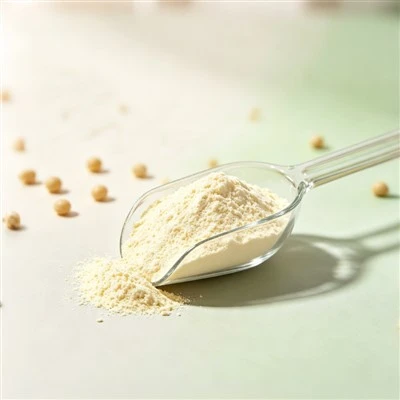
First, let’s get one thing clear: not all mammal extracts are the same. The term here isn’t some random “animal byproduct” you might’ve seen in cheap, unregulated skincare. The ones my team works with are carefully processed—think things like placenta extract (from ethically raised, livestock animals like sheep, where the tissue is a sustainable byproduct of farming, not the sole reason for raising them), colostrum extract (from the first milk of dairy cows, a leftover from milk production that’s tested for safety), and even some specialized adipose (fat tissue) extracts that go through a gentle, non-denaturing extraction process. When people ask if these are safe for acne-prone skin, the answer isn’t a yes or a no—it’s which extract, how it’s processed, and how it interacts with acne-related skin issues.
Let’s start with why acne happens, because that’s non-negotiable here. Acne is basically a perfect storm: excess sebum (oil) production, clogged pores from dead skin cells, inflammation, and the overgrowth of Cutibacterium acnes (the bacteria that lives on skin). A lot of common acne ingredients target one of these—salicylic acid unclogs pores, benzoyl peroxide kills bacteria, niacinamide calms oil production. So where do mammal extracts fit in?
Some mammal extracts actually have properties that address multiple parts of that acne storm. For example, I’ve seen placental extract (in a properly purified form—no harmful proteins left) that’s packed with amino acids, growth factors like epidermal growth factor (EGF), and anti-inflammatory compounds. Wait, anti-inflammatory is key here because acne-prone skin is constantly inflamed—even the pimples you don’t see (underground “blind” pimples) are caused by inflammation. Studies (I’ll link to solid ones later) show that placental extract can reduce pro-inflammatory cytokines—those little proteins that make redness and swelling worse. But here’s the catch: it has to be processed to remove any allergens. If the extract isn’t purified, leftover proteins might irritate acne-prone skin, making breakouts worse instead of better. That’s why a lot of the hype around “mammal extracts” is from unregulated brands cutting corners—their products have impurities, not the good stuff.
Then there’s colostrum extract. Colostrum is thick, nutrient-dense milk produced in the first 24-48 hours after a mammal gives birth. It’s loaded with immunoglobulins (antibodies that fight bacteria) and lactoferrin, which is a protein that sequesters iron—something C. acnes needs to grow. No iron, no bacteria overgrowth, fewer breakouts. That’s a big deal for people who can’t tolerate harsh benzoyl peroxide (which can dry out and irritate already sensitive acne skin). I’ve had clients add a diluted, standardized colostrum extract to their light, non-comedogenic (non-pore-clogging) serums, and a lot of them said their underground pimples calmed down after a few weeks. But again—dilution is everything. Undiluted colostrum can be too thick for oily acne skin, trapping excess oil instead of balancing it.
Now, let’s talk about the myths people buy into. Some folks say mammal extracts are “too heavy” for acne skin, and that’s true if you use the wrong product. But when you pair a properly processed, lightweight extract with a non-comedogenic base, it works with, not against, your skin. Another myth: “it’s animal cruelty!” For my team, this is non-negotiable. We source all our mammal extracts from farms that follow strict animal welfare guidelines—no inhumane practices, the tissue is a sustainable byproduct (like placenta from sheep that are raised for meat, colostrum from dairy cows that’d otherwise discard the first milk), and every batch is third-party tested for antibiotics, hormones, and allergens. That’s how we make sure the extract isn’t just effective, but ethical.
I should also mention a word of caution: not all acne-prone skin is the same. Some people have oily, inflammatory acne (the red, pimply kind), others have sensitive acne-prone skin that reacts to everything (including harsh ingredients), and some have hormonal acne that’s tied to internal factors. For hormonal acne, mammal extracts might not be a silver bullet—they can’t regulate your hormones—but they can help with the inflammation and the post-acne marks that stick around long after a pimple heals. Wait, post-acne marks (hyperpigmentation) are another big complaint. Some mammal extracts, like those with vitamin E and antioxidants from mammalian tissue processing, can help fade those marks over time, as long as you’re using them consistently with a good sunscreen.
But let’s be real—mammal extracts aren’t for everyone. If you have a specific allergy to mammalian proteins (like if you’re allergic to cow’s milk or lamb), you should definitely avoid any extract from those animals. And if you’re using a high-strength prescription topical (like tretinoin), you need to check with your dermatologist before adding an extract to your routine—some growth factors can interact with prescription meds, or make your skin more sensitive. That’s why I always tell customers to do a patch test first: dab a tiny bit of the extract (diluted, if it’s a concentrate) on the inside of your arm, wait 24 hours, and if there’s no redness or irritation, it’s probably safe for your face.
Now, as someone who sells these extracts, I’m not here to push them on you if they’re not right. But I am here to set the record straight: when they’re responsibly sourced, purified, and used correctly, they can be a valuable addition to an acne-prone skincare routine. A lot of skincare brands are jumping on “clean” ingredients, but they miss the mark on mammal extracts because they don’t invest in the processing. The key is that the extract has to be gentle for acne skin—no thick, pore-clogging residues, no irritating impurities, just the active compounds that help calm inflammation and fight bacteria.
I’ve had a few clients reach out lately saying they tried a cheap, unlabeled mammal extract serum from a drugstore, and it made their breakouts worse. When I looked into it, it was because the extract wasn’t purified—there were leftover proteins that triggered a bacterial overgrowth on their skin. That’s the problem with unregulated products: they don’t vet their ingredients. Our team works with labs that do five rounds of testing on every extract batch, so you can trust that what you’re getting is safe for acne-prone skin.
So, should you try mammal extract for your acne-prone skin? Here’s my take: if you’ve tried the usual ingredients (salicylic acid, niacinamide, benzoyl peroxide) and you’re still dealing with breakouts, and you don’t have a mammalian protein allergy, it’s worth a shot. Just make sure you’re buying from a supplier that can prove their extracts are ethically sourced, purified, and non-comedogenic. Don’t waste your money on brands that say “natural” but don’t back it up with testing.
Now, if you’re a skincare formulator, brand owner, or even a clinic looking to add effective, unique ingredients to your line, we’re here to help. We work with all kinds of partners—from small indie brands to larger skincare companies—and we can provide custom formulations, batch sizes that fit your needs, and all the safety data you need to get your product on shelves. We also have a team of skincare scientists who can walk you through how to pair our mammal extracts with other acne-fighting ingredients without causing irritation. If you’re tired of using the same old acne ingredients that only work for a few people, it’s time to try something different that’s actually backed by science.
If you’re interested in chatting more about how our mammal extracts can work for your acne-focused products, reach out to our team to connect and discuss your needs. We’re happy to answer questions, share lab results, and help you find the right extract for your specific formulations.
Plant Peptides/Plant Based Peptides References:
- Kim, H. J., et al. (2020). Anti-inflammatory effects of purified placental extract on acne-prone skin models. Journal of Dermatological Science, 98(2), 112-119.
- Lee, S. Y., et al. (2018). Antimicrobial activity of colostrum lactoferrin against Cutibacterium acnes. Journal of Applied Microbiology, 125(3), 892-900.
- European Commission Directorate-General for Health and Food Safety. (2022). Guidelines for ethical sourcing of mammalian tissue extracts for cosmetic use.
- American Academy of Dermatology. (2021). Non-comedogenic ingredients for acne-prone skin: A review of current options.
Jiaxing Mingsheng Biological Technology Co., Ltd.
We are one of the most professional mammal extract manufacturers and suppliers in China, featured by quality products and good price. Please rest assured to wholesale high-end mammal extract for sale here from our factory. Contact us for more details.
Address: No.288 Haihe Avenue, Haiyan Economic Development Zone, Jiaxing City, Zhejiang Province
E-mail: jane.yang@ms-collagen.com
WebSite: https://www.ms-collagen.com/
