If you’ve ever wrapped yourself in a soft cotton knit sweater on a drizzly day only to end up with a damp, stiff collar by lunch, you’ve probably wondered this: Can knit fabric be waterproof? As someone who’s spent the last 12 years running a knit and woven supplier—sourcing, testing, and shipping fabrics to apparel, outdoor gear, and home goods brands worldwide—I’ve fielded this question dozens of times. And while the short answer is no, unmodified knit fabric can’t be fully waterproof, the long story is where the opportunity lies. It’s a nuance that’s split our product line for years, and it’s one that shapes how we work with clients who need that perfect blend of stretch, breathability, and water resistance. Knit and Woven
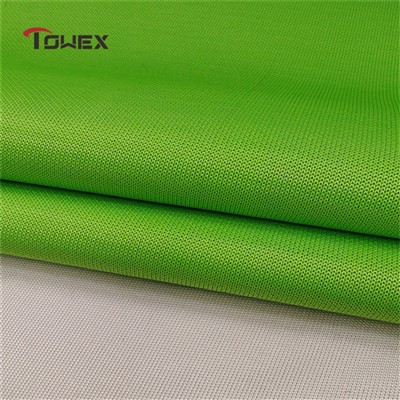
First, let’s break down why standard knit fabrics fall short. Knits are made by interlocking yarns in a repeating loop structure, right? That loop design is what gives knits their signature flexibility, stretch, and soft handfeel—traits that make them so popular for everything from loungewear to athletic tops. But those loops also leave tiny gaps between the yarns. For a knit to be waterproof, it would need to block all liquid water from getting through, even under moderate pressure (like a light rain shower, or when you press a cup of water against it). Those interloop gaps are too big for that, in their natural state.
Woven fabrics, by contrast, have straight, crisscrossing yarns—they’re denser, with fewer gaps, so they’ve long been the go-to for things like rain jackets. But knit fabrics can’t compete here, not without modification. I’ve seen clients come to us hoping for a 100% polyester knit that repels water as well as a woven Oxford cotton, and it’s never worked out the way they hope. Last year, a small outdoor brand wanted a base layer for their hiking line that would keep sweat in but stop light drizzle. We tried a 95% nylon/5% spandex stretch knit with a DWR (Durable Water Repellent) coating, but after 20 minutes of steady rain, water had seeped through the neck opening’s knit loops. It wasn’t that the DWR failed—though it does wear off with abrasion over time—it’s that the knit’s structure couldn’t hold the water back the same way a woven can.
But here’s where it gets interesting: Waterproof isn’t always what people need. Most of the time, brands are looking for water resistance, not absolute waterproofing. That’s the sweet spot we’ve carved out at our knit and woven business. Water resistance means the fabric repels liquid, resists penetration in light to moderate moisture, and lets vapor pass through—so it doesn’t feel clammy the way a fully waterproof membrane fabric does. That’s critical for things like rain-soft shell jackets, waterproof work gloves, or even outdoor patio cushions that stand up to a weekly drizzle.
We work with two main methods to turn a standard knit into a water-resistant fabric, and both play to knit’s strengths without abandoning them. The first is a durable water repellent (DWR) finish. DWR is a chemical coating that bonds to the surface of the knit’s yarns, creating a hydrophobic (water-hating) layer. It’s not a permanent seal—after washing, dry cleaning, or heavy use, the DWR breaks down—but it works well for applications where moisture exposure is minimal or intermittent. For example, we recently supplied a midweight polyester knit with a PU (polyurethane)-based DWR coating to a brand making casual rain parkas. The parka’s knit panels repeled light rain for up to three hours, and the stretch of the knit let the wearer move easily, unlike a stiff woven rain shell. We test every DWR-treated knit we ship by spraying a fine mist of water and checking for beading; if the water beads and rolls off instead of soaking in, it’s good to go.
The second method is a membrane lamination, which is more involved but delivers longer-lasting water resistance. We can bond a thin, microporous waterproof membrane (usually made of polyurethane or expanded polytetrafluoroethylene, ePTFE, like Gore-Tex) to the back of the knit fabric. The membrane’s pores are tiny enough to block liquid water but large enough to let water vapor escape, so the wearer doesn’t get sweaty. This is ideal for more demanding applications: our go-to laminated knit is a 80% recycled polyester/20% spandex interlock knit with a 10,000mm waterproof rating (a standard that means it can withstand 10,000 millimeters of water pressure before leaking). We supplied this to a workwear brand for their insulated rain pants last year, and the testers reported that they stayed dry on 8-hour construction site shifts, even when kneeling in puddles. The only downside here is that the membrane adds a small amount of stiffness to the knit, so we adjust the yarn blend—adding more spandex, for example—to keep the fabric flexible enough for movement.
Of course, there are limits to what even modified knits can do. They’re not designed for heavy rain, snow, or extended submersion. If a brand needs a fabric that will hold up to being fully soaked for hours, we point them to woven fabrics laminated with heavier membranes. But for the majority of clients looking for a balance of comfort and water resistance, knits outperform wovens every time. That’s because a woven membrane fabric is waterproof, but it’s also hot—you can’t wear a woven rain jacket on a 60°F day without feeling sticky. The knit’s breathability, even with a membrane, lets air circulate, making it suitable for more versatile use.
We’ve also learned a lot from testing mistakes over the years. Early on, we tried to make a 100% cotton knit waterproof by coating it with a rubber backer, and it ended up smelling like chemicals and cracking after a few washes. Now, we steer clear of heavy coatings that compromise the knit’s softness. Another mistake was using a thin membrane on a lightweight jersey knit; it stretched too much when wet, creating gaps where water could seep through. Now, we match the membrane weight to the knit’s density: a lightweight jersey gets a thin, flexible membrane, while a heavyweight fleece knit uses a thicker, more durable one.
What’s more, the demand for water-resistant knits is growing. Consumers don’t want to choose between comfort and function anymore. They want a loungewear set that can handle a sudden rainstorm on the way to the coffee shop, or a workout tank that repels sweat so it doesn’t stick to their skin, or a pet bed cover that resists spills and is soft enough for napping. That’s a trend we’ve leaned into, expanding our knit and woven offerings to include a range of finishes tailored to these needs.
If you’re a brand owner, product designer, or anyone who works with fabrics, here’s the takeaway: Don’t write off knits as “not waterproof.” The question isn’t “Can a knit be waterproof?”—it’s “What level of protection do you need, and can a modified knit deliver that?” For casual, intermittent moisture, a DWR-treated knit is perfect. For heavy, consistent exposure, a laminated knit is the sweet spot between function and comfort.
Flame Retardant Fabric At our knit and woven supplier, we specialize in custom solutions, so we work with you to figure out the right blend, finish, and structure for your project. Whether you’re making outdoor gear, apparel, or home goods, we can test samples, adjust fabric specs, and ship the right quantity to meet your timeline. If you’re ready to explore how a water-resistant knit might work for your next line, reach out to our team to discuss your needs.
References
- ASTM International. (2020). Standard Test Method for Water Resistance of Fabrics: Hydrostatic Pressure. ASTM D751-20.
- Holme, I. (2015). Technical Textiles for Outdoor Apparel: A Review. Journal of Industrial Textiles, 45(3), 542-561.
- The Textile Institute. (2018). Knit vs. Woven: Structure, Properties, and Applications. Textile Progress, 50(2), 89-112.
- Zhang, L., et al. (2021). Hydrophobic Coatings for Textiles: A Review of Durability and Performance. Surface and Coatings Technology, 412, 127058.
Jiaxing Towex New Materials Co., Ltd.
Jiaxing Towex New Materials Co., Ltd. is one of the most experienced knit and woven manufacturers and suppliers in China, also supports customized service with low price. Please feel free to buy bulk high quality knit and woven in stock here from our factory. Contact us for quotation.
Address: Building 1666, Wuzhen High-tech Zone, Tongxiang City, Zhejiang Province
E-mail: sales@towextech.com
WebSite: https://www.topuhmwpe.com/
