If you’ve ever stopped to think about what makes the internet work when you stream a show on your commute, or why a 911 call gets routed to the right emergency center even during a power outage, the answer often boils down to something you probably never see: specialty telecommunications cables. For years, I’ve worked in this space as a specialty cables supplier, and I can tell you that these aren’t the flimsy Ethernet cords you buy at a convenience store. They’re engineered to withstand harsh environments, carry high volumes of data, and outlast every other piece of tech in a comms network. Most people don’t realize that a regular network cable won’t cut it for a remote cell tower in a desert or a hospital’s critical care wing—specialty cables are the backbone that keeps modern communication from breaking down. Specialty Cables

Let’s start with the most underrated workhorse in our catalog: armored telecommunication cable. When I first got into this business, a client from a rural utility company called me panicking because their fiber cables kept getting chewed through by rodents and crushed by farm equipment. That’s when I learned how standard loose-tube fiber isn’t built for exposure. Armored telecom cable has a steel or aluminum armor sheath wrapped around the core, which acts like a tough skin to block physical damage. It’s not just for rural farms, either. We supply armored cable to construction firms laying lines under city sidewalks, where heavy backhoes and garbage trucks run over buried lines daily. Unlike regular plenum cable that’s made for indoor use, armored telecom cable is rated for direct burial, so you don’t have to dig extra conduit around it to protect it. The core itself is still either single-mode or multi-mode fiber, but the armor adds a layer of resilience that makes it the go-to for any outdoor or underground telecom setup. I’ve had clients tell me their armored lines have lasted 15+ years with almost no maintenance, compared to their old unarmored lines that needed repairs every 2-3 years. That’s not just a product—it’s a cost-saving solution for anyone managing a large network.
Next up is plenum-rated telecommunication cable, which is a must-know for anyone working in commercial or high-rise buildings. A lot of people hear “plenum” and think it’s just a fancy label, but it’s a safety and performance standard set by fire codes in most countries. Plenum spaces are the air-handling areas above drop ceilings or below floors, where building ventilation runs. If a fire starts, regular cable insulation releases toxic fumes that can spread through the air system and make people sick long before the flames reach them. Plenum-rated cable is made with low-smoke, flame-retardant materials that don’t give off those harmful chemicals when heated. As a supplier, we see a lot of mistakes here: small offices buying cheap non-plenum cable to save money, only to get fined during a building inspection. We also supply plenum-rated copper and fiber, so whether a building is running a network for 500 employees or high-speed data for a bank, we’ve got the right plenum product. The other big win for plenum cable is that it doesn’t have the off-gassing smell that cheap cables do, which is a big plus for offices where people spend 8+ hours a day.
Then there’s the fiber optic cable tailored for harsh industrial environments—industrial-grade telecom fiber. Factories, power plants, and offshore oil rigs don’t have the gentle conditions of an office. They’re exposed to extreme temperatures, moisture, vibration, and electromagnetic interference (EMI) from heavy machinery. Standard fiber can lose signal strength when near a giant motor or in temperatures that swing from -40°F to 140°F. Industrial-grade fiber solves that with a tight buffer coating instead of a loose tube, which protects the fiber core from vibration, and a jacket that’s resistant to oil, chemicals, and UV radiation. A few years back, we worked with a manufacturing plant that was using regular fiber, and their production lines would go down every time they ran their heavy stamping machines. Swapping to our industrial-grade fiber fixed the problem—no more signal drops mid-shift, which saved them thousands in lost production time. We also supply shielded industrial fiber, which blocks EMI so it won’t interfere with sensors or control systems. This isn’t just for big industrial sites, either; data centers with high-voltage equipment rely on industrial fiber too, since they need 100% uptime to keep servers running.
Let’s not forget about outdoor aerial telecom cable, designed to hang between utility poles in cities and rural areas. Installing underground cable is expensive, so aerial lines are a common, cost-effective option—but they have to handle wind, rain, snow, and ice. Aerial cable has a messenger wire built right into it, which is a separate steel or aluminum cable that supports the weight of the fiber core. That messenger means you don’t need extra hardware to hold the line up; it’s built-in, which makes installation faster and cheaper. Aerial cable also has a UV-resistant jacket, so it won’t break down from years of sun exposure. Last winter, a client in the Northeast called us after a ice storm knocked out their old aerial lines. We replaced their regular lines with our heavy-duty aerial cable, and when another storm hit a few months later, their lines held up while neighbors’ lines went down. That messenger wire is a game-changer for aerial installs—without it, lines sag, stretch, and break in bad weather. We also offer aerial cable with a self-supporting design that’s perfect for remote areas where utility pole spacing is wider, so it can handle longer spans between poles.
Another specialty cable that’s critical for emergency and critical communications is emergency services telecom cable, sometimes called Ecomm cable. This is the kind of cable you find in hospitals, 911 call centers, and military installations, where downtime is not an option. Ecomm cable is designed to withstand disasters: it can survive floods, high heat, and even power surges. It also has built-in redundancy, so if one line breaks, another line is ready to take over. We supply this cable to hospitals that need their network for patient monitors and phone lines, even if the main power goes out. We had a client in Texas during a 2021 winter storm where the power was out for days, but their Ecomm cable kept their critical care units connected to outside doctors and emergency services. Unlike regular cables, Ecomm cable is also tested to work at extreme temperatures, so it doesn’t freeze in cold snaps or overheat in summer heat. It’s also marked with color coding to make it easy for first responders to identify critical lines in an emergency, which is a small but important detail. For anyone managing a network that can’t afford to go down, Ecomm specialty cable is non-negotiable.
I should also mention dielectric telecom cable, a specialty product that’s all about avoiding interference. In places like airports or research facilities, electromagnetic interference from metal components can mess with communication signals. Dielectric cable has no metal parts—no armor, no shield, just fiber core and plastic components. That means it won’t conduct electricity or create its own EMI, which is perfect for areas near radar systems, train tracks, or hospitals with MRI machines. A few years ago, we worked with an airport that was having issues with their flight control communications being disrupted by nearby metal structures. Swapping their old metal-shielded cable for dielectric cable fixed the interference problem completely, so they could track planes without signal drops. Dielectric cable is also lighter than metal-cored cable, which makes it easier to install on long runs like airport runways. It’s not as common as armored or plenum cable, but for specific high-interference environments, it’s the only option that works.
Now, you might be wondering: why does this matter? Most telecom cable suppliers sell generic cable, but specialty cables are engineered for specific needs, which means they last longer, cost less over time, and keep networks running when regular cable would fail. As someone who’s been in this business for 12 years, I’ve seen too many clients cut corners with generic cable and end up paying way more in repairs and downtime. For example, a small cell tower provider once bought cheap unarmored cable for a remote tower, and within a year, rodents had chewed through it, costing them $15,000 in repairs and lost service for 3,000 customers. If they’d bought our armored telecom cable upfront, that problem would never have happened, and they would have saved money long-term.
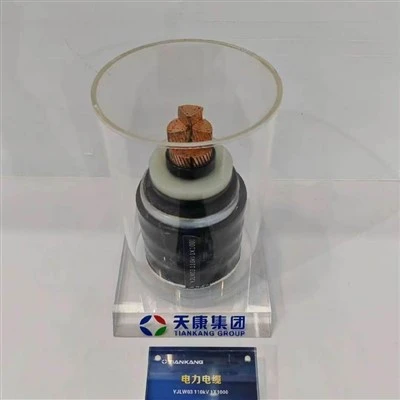
At the end of the day, the right specialty telecom cable isn’t just a product—it’s an investment in reliability. Whether you’re building a new rural network, upgrading a hospital’s comms, or keeping cell towers running in harsh weather, using the wrong cable leads to headaches and costs that no business wants. If you’re planning a network upgrade, dealing with recurring cable failures, or not sure what kind of cable your project needs, let’s connect. We can walk through your specific needs, recommend the right specialty cable, and make sure your communication network works when you need it most.
Optical Fiber Cables References
- Telecommunications Industry Association. (2020). TIA-568-C.2-D: Commercial Building Telecommunications Cabling Standard.
- National Fire Protection Association. (2022). NFPA 70: National Electrical Code, Chapter 7, Article 725 (Plenum Cables).
- International Electrotechnical Commission. (2021). IEC 60794-1-2: Optical Fibre Cables – Part 1-2: Generic Specification – General Requirements and Test Methods.
- Underwriters Laboratories. (2023). UL 1666: Standard for Test for Flame Propagation Height of Electrical and Optical-Fiber Cables Installed Vertically in Shafts.
- Industrial Communication Technology Association. (2022). ITA-2: Industrial Telecommunication Cabling Standards for Harsh Environments.
Anhui Tiankang Group Co., Ltd.
As one of the most professional specialty cables manufacturers and suppliers in China, we’re featured by quality products and good service. Please feel free to wholesale bulk customized specialty cables made in China here from our factory. Welcome to contact us for pricelist.
Address: No. 20, South Renhe Road, Tianchang City, Anhui Province, People’s Republic of China
E-mail: tiankanggroup006@163.com
WebSite: https://www.tkanggroup.com/
