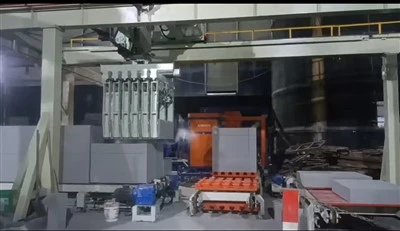
If you’ve ever walked through an AAC (autoclaved aerated concrete) plant, you know the raw material handling system isn’t just a bunch of pipes, silos, and conveyor belts—it’s the backbone of the whole operation. As a supplier who works hand-in-hand with maintenance teams day in and day out, I get that access to that system isn’t a free-for-all. Mess up a repair on the wrong part, skip a safety step, or work with expired equipment, and you’re looking at downtime that can cost a plant tens of thousands of dollars before lunch. Over the years, I’ve seen way too many maintenance guys cut corners to “get the job done fast” and end up tripping a shutdown. So let’s break down exactly what access requirements our team (and every other reputable supplier) sticks to—no corporate jargon, just the real stuff we actually enforce. AAC Raw Material Handling System
First off, you can’t step foot near that system without a valid, job-specific safety certification. I’m not talking about a generic online course you took once for a construction job. For AAC raw material handling systems, that means Lockout/Tagout (LOTO) training that’s been refreshed in the last 12 months. This isn’t just a box to check; the system runs on heavy stuff—lime, cement, fly ash, aluminum powder—all moved by conveyors that can suddenly kick on if a sensor glitches. Last year, a maintenance guy on a client site forgot to lock out a belt conveyor and almost got his arm caught. LOTO isn’t optional here—it’s non-negotiable. We also require any tech working on the system to have a basic confined space entry certification if they’re going inside the silos, which are huge, unventilated spaces where airborne material can trigger silicosis or even a collapse if the material shifts. A lot of guys skip this because “it’s just a silo,” but we won’t send our own techs, or approve a contractor’s access, without that card up to date.
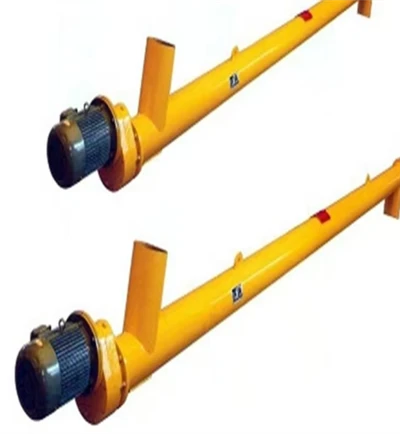
Next, role-specific competency checks. Not every maintenance tech can work on every part of the raw material handling system. Our system has three main chunks: raw material storage (silos and feed bins), material conveyance (conveyors, screw augers, bucket elevators), and batching automation (PLC controls, material weight sensors, mixing units). A guy who fixes a leaky conveyor belt doesn’t need to know how to reprogram a PLC, but he does need to know how to calibrate the material flow meters that feed into the batcher. For access to the automation side, we require proof of training on the specific PLC model our system uses—most of our clients use Siemens or Allen-Bradley, and a lot of techs show up with a general PLC certification that doesn’t match our hardware. We also do a quick hands-on assessment before letting someone work on high-pressure components, like the compressed air lines that power the dust collection system. I’ve had a tech try to tighten a fitting on a 120 PSI air line with a regular wrench, and that’s a hazard—so we test basic skill with the tools specific to our system before granting access.
Then there’s documentation. You can’t show up, pull a wrench, and start taking parts apart. We require a work order that’s been signed off by the plant’s operations manager, with a clear scope of work. No vague requests like “fix the conveyor” — it needs to say “replace the worn idler on Conveyor Line 2, Section 3, and verify alignment.” We also ask for a copy of the system’s maintenance manual for the specific unit you’re working on, which our team provides during the system handover at installation. A few months back, a contractor tried to work on a fly ash silo without looking at the manual, and he drained the wrong bin, shutting down all raw material intake for 8 hours. That mistake was entirely avoidable, and it cost the plant a day’s worth of production. Documentation isn’t red tape—it’s how we keep everyone on the same page about what’s actually in that system.
Safety gear isn’t just a suggestion—it’s a hard requirement, and it’s specific to the part of the system you’re accessing. For the exterior of the conveyors and bins, you need a hard hat, safety glasses with side shields, steel-toe boots, and a dust mask. The raw materials produce fine silica dust that can irritate lungs and even coat machinery, so a regular surgical mask won’t cut it. If you’re working at height (say, on top of a 60-foot silo), you need a full body harness tied to an independent anchor, not just a lanyard clipped to the railing. I’ve seen plant maintenance teams get lazy here, using a makeshift anchor on the silo’s ladder, which can pull loose. For work inside the silos (which we almost never do unless it’s a complete blockage), you need a supplied-air respirator, not a canister mask, and a stand-by person outside the entry point. No exceptions. We once had a client’s tech go into a silo with just a dust mask and pass out—luckily the stand-by guy caught him, but it could’ve been fatal.
Another big one: access restrictions for unauthorized personnel. Our raw material handling system has a lot of delicate parts that can be damaged if someone messes with them, even by accident. We don’t let plant operators who didn’t receive specialized training touch the PLC controls or the material proportioning valves. A few years back, a plant floor worker noticed a small error in the batch numbers and tried to adjust the PLC from his phone—he ended up throwing off the mix ratio, ruining 10 tons of AAC slurry. We also don’t let vendors who aren’t approved work on our system. That includes parts suppliers who show up to swap a sensor without checking in with our team first. A cheap sensor from a random supplier can throw off the entire batch production, so we restrict access to only our trained techs and pre-vetted contractors.
Wait, I should also mention pre-job briefings. No matter how experienced a tech is, we run a 10-minute huddle before any work on the raw material handling system. We go over the specific hazards for that day’s job: is the conveyor in a high-dust zone? Is the PLC going to be powered down, and will that affect other plant systems? Are there any ongoing repair jobs nearby that could interfere? Last month, a maintenance team started replacing a belt on Conveyor Line 1 without checking that the batcher upstream was still running—they drained the batcher, which left a gap in the production line that took 2 hours to fix. The pre-job briefing is just a quick sync, but it cuts down on avoidable mistakes.
Now, a lot of people ask: what about temporary access for urgent repairs? Like, if a bucket elevator snaps and you need to fix it immediately—can you skip some of these steps? Our answer is still no, but we streamline the process. For urgent jobs, we’ll do a verbal check of LOTO certification, confirm competency with the bucket elevator, and have the work order emailed within 24 hours. We won’t waive the safety gear or hazard assessment, though. Even an urgent repair on a heavy-duty bucket elevator has risks—falling parts, dust, pinch points. Cutting corners there isn’t “getting the job done fast” — it’s leading to a shutdown that’s way longer than if you’d taken 10 extra minutes to follow the rules.
At the end of the day, the access requirements for our AAC raw material handling system aren’t about making things hard for maintenance teams—they’re about keeping everyone safe and keeping the plant running. The system is made to produce high-quality AAC, and bad repairs or accidents can ruin that product and cause expensive downtime.
If you’re a plant manager, maintenance supervisor, or tech who needs access to an AAC raw material handling system (either our system or another brand), you don’t have to figure this out alone. We can walk you through exactly what your team needs to qualify for access, answer any questions about safety training or competency checks, and help you make sure your maintenance process is smooth and safe. Reach out to us to chat through your specific needs, no obligation, and we’ll help you avoid those costly mistakes I’ve seen over the years.
Aerated Concrete Block Packaging Line References
OSHA. (2022). Lockout/Tagout Standard: 29 CFR 1910.147. Occupational Safety and Health Administration.
AAC Industry Association. (2021). Best Practices for Raw Material Handling System Maintenance in Autoclaved Aerated Concrete Plants. AIA Technical Bulletin.
American Conference of Governmental Industrial Hygienists. (2020). Dust Exposure Limits for Silica in Manufacturing Facilities. ACGIH Threshold Limit Values.
Siemens Industry. (2019). Training Guidelines for AAC Plant PLC Control Systems. Siemens Technical Manual.
Qingzhou Shuangfengda Machinery Engineering Co., Ltd.
As one of the most professional AAC raw material handling system manufacturers and suppliers in China, we’re featured by quality products and good price. Please rest assured to buy durable AAC raw material handling system for sale here from our factory. Customized orders are welcome.
Address: Gaojiazhuang Village, Gaoliu Town, Qingzhou City, Shandong Province
E-mail: lenhond@163.com
WebSite: https://www.sfdmachinery.com/
