If you’ve ever worked with composite materials, I’m sure fiber-reinforced tape (FRT) has crossed your desk. As a supplier who’s spent the last 12 years around this stuff, I’ve seen firsthand how a product that looks bulletproof can fall apart faster than expected if you skip the basics of aging prevention. The worst part? Most aging issues aren’t due to defective materials—they’re from avoidable mistakes in storage, installation, or even end-of-life handling. I’ve had customers come to me frustrated because their FRT didn’t hold up on a job site, only to trace the problem back to something they could have fixed months earlier. That’s why today, I’m pulling back the curtain on what actually causes FRT to age, and the steps you (and we, as your supplier) can take to stop it in its tracks. Fiber-Reinforced Tape
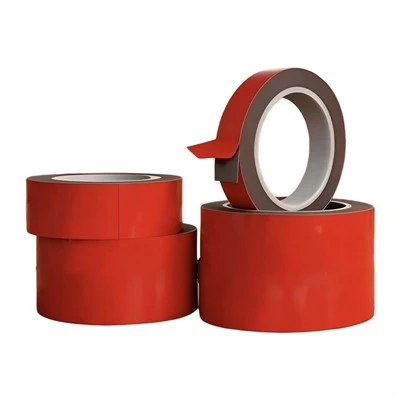
First, let’s get clear on what aging in FRT means. Fiber-reinforced tape is a hybrid: it’s made of high-strength fibers (usually glass, carbon, or aramid) embedded in a polymer matrix (epoxy, polyurethane, or acrylic, depending on the grade). Aging happens when this hybrid is exposed to stressors that break down either the fibers, the matrix, or the bond between them. For our customers—whether they’re using FRT in automotive structural repairs, aerospace component assembly, or wind turbine blade reinforcement—aging doesn’t just mean a cosmetic issue. It means reduced tensile strength, delamination, or even total failure of a part that’s supposed to last 10+ years. I once worked with a wind energy client whose FRT on a blade had chipped and delaminated after two seasons; testing showed the matrix had degraded because they’d stored the tape in a hot, unventilated shed for six months before installation. That’s a preventable mistake, and one I want to help you avoid.
Let’s start with the earliest stage where aging can take root: storage. Most people don’t think about warehouse conditions affecting a roll of tape, but FRT is sensitive to temperature, humidity, and UV light long before it’s applied. I always tell customers: “Treat unopened FRT rolls like you would a bottle of fine wine—store them in the right conditions, and they’ll outlast the project.” The sweet spot for storage is a temperature between 10°C and 25°C (50°F to 77°F) with relative humidity below 60%. Anything above that? The polymer matrix softens, which can cause fibers to shift inside the tape. Below that? The matrix becomes brittle, and when you unroll the tape, it can crack or split. Humidity is another hidden threat: moisture seeps into the tape’s edges, weakening the bond between fibers and matrix over time, and even leading to mold growth if it’s really bad. One of our aerospace customers had rolls of carbon FRT left in a loading dock overnight during a rainstorm; when they tested the material, the tensile strength was down 18% because of moisture intrusion.
UV exposure is a storage killer too. Most FRT comes with a UV-resistant backing, but that backing isn’t designed for long-term outdoor use. Storing rolls near a window or under unshielded warehouse lights means UV rays penetrate the packaging and break down the polymer matrix. I’ve seen unopened rolls of FRT stored on a dock for three months develop a yellow, brittle surface layer—this is early signs of matrix degradation. Our recommendation here is simple: keep unopened FRT in a dark, climate-controlled space. If you have to store it temporarily outdoors, wrap the rolls in a UV-stabilized plastic sheeting and elevate them off the ground to avoid moisture buildup. We also label all our FRT with a “best before” date, but that date assumes proper storage—skip the conditions, and that date becomes a moot point.
Next, when it’s time to install the tape, poor surface preparation is one of the biggest avoidable causes of in-service aging. I can’t count how many times a client has rushed through cleaning a surface, thinking “it’s just a rough spot,” only to have the FRT delaminate a year later. Let’s break it down: FRT’s strength comes from its bond to the substrate (whether that’s metal, plastic, or another composite). If the substrate has dirt, oil, grease, or residual paint, the matrix can’t adhere properly, creating tiny gaps where moisture, chemicals, or stress can seep in. Over time, those gaps grow, leading to delamination. I once worked with a automotive repair shop that used FRT to fix a cracked bumper; they wiped the surface with a rag, not a chemical degreaser, and six months later, the tape peeled off. We sent a sample to our lab, and the test showed the bond strength was 40% lower than it should have been because of residual silicone from the original bumper coating.
Surface preparation doesn’t stop at cleaning, either. You also need to make sure the surface is dry and free of contaminants like salt or chemicals. For industrial applications, we recommend a two-step process: first, degrease with a solvent like isopropyl alcohol (or a product specific to your substrate), then abrade the surface lightly with sandpaper to create a rough, textured area for the FRT to grip. After abrading, wipe the surface again to remove dust, and let it fully dry before applying the tape. Even a tiny amount of water can cause the matrix to fail at the bond line. Another thing to watch: temperature during installation. If you’re applying FRT in temperatures below 10°C, the matrix might not cure (if it’s a heat-cured grade) or set properly (if it’s a room-temperature cure grade). This leads to a weak bond that’s prone to aging. We advise our customers to schedule installations when surface and ambient temperatures are within the recommended range, and if you have to work in cold environments, use a space heater to warm the substrate first.
Now, let’s talk about in-service conditions—this is where aging becomes active, and it’s the area where I see the most variation across industries. FRT’s aging process depends a lot on what it’s exposed to after installation. Let’s cover the most common stressors: chemicals, temperature fluctuations, and mechanical stress. Chemical exposure is a big one for industries like construction, automotive, and marine. If your FRT is used in a space where it’s exposed to solvents, acids, or saltwater, it can break down the polymer matrix. For example, a marine customer once used our standard glass FRT on a dock piling; after a year of saltwater exposure, the matrix softened, and the fibers pulled away. That’s why we offer specialized marine-grade FRT with a corrosion-resistant matrix that repels salt and resists chemical degradation. Another customer used a standard acrylic FRT to wrap chemical pipes, and after six months, the pipe’s chemical fumes ate through the matrix. The fix here was to switch to an epoxy-grade FRT, which is resistant to most industrial chemicals.
Temperature fluctuations are another silent ager. If FRT is used in outdoor applications, it will expand and contract with temperature changes. Over time, this cyclic stress can cause the bond between the tape and the substrate to weaken, leading to delamination. Wind turbine blades, for example, experience temperature swings from -40°C in winter to 40°C in summer, along with wind-induced vibration. That’s why our FRT for wind blades is reinforced with aramid fibers, which have low thermal expansion, and we add a layer of vibration-dampening polymer to absorb cyclic stress. For customers in climates with extreme temperature changes, we also recommend applying a protective topcoat over the FRT to seal it and reduce the impact of temperature swings.
Mechanical stress is a given—FRT is supposed to bear load, but overloading it or applying stress unevenly can accelerate aging. For example, if you apply FRT to repair a part that’s under more load than the tape is rated for, the fibers will stretch beyond their limit, and the matrix will crack over time. I always tell customers to check the tensile strength and load rating of their FRT against the application’s requirements. We provide technical data sheets for all our products, and if you’re not sure what grade to use, our team is happy to help you calculate the right one. Another mistake: not overlaping the tape properly. If the overlapping section is too small, stress concentrates in that area, leading to early aging. We recommend overlapping FRT by at least 50mm (2 inches) for structural applications, and making sure the overlap is aligned to distribute stress evenly.
Then there’s the overlooked step of post-installation protection. Even if you install the tape correctly, exposure to UV light after installation (before it’s fully cured, or if it’s an uncoated grade) can cause premature aging. If your FRT is used in outdoor applications and doesn’t have a built-in UV-resistant layer, applying a UV-stabilized topcoat within 72 hours of installation is a must. One of our construction customers used uncoated FRT to reinforce building panels, and after a month of outdoor exposure, the surface turned brittle and cracked. They added a topcoat, but it was too late—they had to reapply the tape, which cost them time and money. Post-installation protection also means regular inspections. I recommend checking FRT every 6 to 12 months, depending on the application. Look for signs of aging: delamination, cracking, yellowing, or softening. Catching these issues early (before they turn into failures) can save you a lot of money in repairs.
Wait, let’s address a common myth I hear all the time: “FRT is maintenance-free.” No material is, and FRT is no exception. The best way to prevent aging is to treat it like any other structural component. That means following our storage guidelines, preparing surfaces correctly, choosing the right grade for your application, and protecting it from harsh in-service conditions. As a supplier, we don’t just sell you a roll of tape—we provide technical support to make sure you’re using it correctly. For example, we recently helped a aerospace client choose between carbon and glass FRT for a new aircraft interior component, taking into account their operating temperature range and load requirements. They ended up with a carbon FRT that’s lightweight and resistant to thermal stress, and they haven’t had any aging issues in two years of use.
Another thing to consider: recycling and end-of-life handling. I know it’s not the first thing that comes to mind when you’re preventing aging, but improper disposal or reuse of FRT can lead to unexpected aging. For example, if you take a used roll of FRT and try to apply it to a new project, it might already have degraded fibers or a weakened matrix, even if it looks good. We don’t recommend reusing FRT, because once it’s been exposed to stress, it’s not as strong as new material. Also, FRT waste shouldn’t be burned, because the polymer matrix releases toxic fumes. We work with recycling partners who can process FRT into composite panels, so you can dispose of it responsibly, which also reduces the environmental impact.
Now, let’s wrap this up with a clear, actionable checklist that you can apply to your FRT use, no matter your industry: 1. Store unopened FRT in a dark, climate-controlled space (10-25°C, <60% RH) and check for moisture or UV damage before use. 2. Prepare surfaces properly: clean, degrease, abrade, and dry before installation. 3. Choose the right grade: match FRT’s matrix and fiber type to your in-service conditions (chemical, temperature, UV exposure). 4. Install correctly: follow temperature guidelines, overlap appropriately, and ensure full cure. 5. Protect post-install: apply a UV topcoat for outdoor use, and inspect every 6-12 months for signs of aging.

As a supplier, my goal isn’t just to sell you FRT—it’s to help you get the most out of it, which means preventing aging and avoiding costly failures. If you’re unsure about any step, from storage to installation to choosing the right grade, our team is here to walk you through it. Whether you’re working on a small automotive repair or a large-scale wind turbine project, we have the expertise and products to help you extend the lifespan of your FRT. If you’re ready to discuss your specific needs, we’d be happy to help you find the right solution.
Packaging Tape References: 1. ASTM International. (2020). Standard Test Method for Tensile Properties of Fiber-Reinforced Polymer Matrix Composites. ASTM D3039/D3039M-20. 2. Hashin, Z. (2012). Failure Criteria for Fiber-Reinforced Composites. Journal of Composite Materials, 46(15), 1895-1911. 3. Wang, Y., et al. (2019). Aging Mechanisms of Polymer Matrix Composites in Outdoor Environments. Composites Science and Technology, 178, 107621. 4. National Composite Center. (2021). Guidelines for Storage and Installation of Fiber-Reinforced Tapes in Structural Applications. NCC Technical Bulletin 2021-04. 5. Society of Automotive Engineers. (2020). Aerospace Fiber-Reinforced Composite Materials: Aging Prevention and Maintenance. SAE AS7511A.
Haining Sunrich Adhesive Tape Products Co., Ltd.
As one of the most professional fiber-reinforced tape manufacturers and suppliers in China, we also support customized service. Please feel free to wholesale high-grade fiber-reinforced tape in stock here from our factory. Welcome to contact us for quotation.
Address: No. 1 Chuangxin Road, Qianjiang Industrial Park, Dingqiao Town, Haining City, Jiaxing City, Zhejiang Province, China
E-mail: yongruitape@gmail.com
WebSite: https://www.yongruii.com/
