When I first started out as a sweetener supplier, I’ll admit I got into the space because I saw how everywhere you looked, sugar and its alternatives were part of daily life—morning coffee, kids’ lunchboxes, restaurant menus, even the snacks we grabbed on the way home from work. What I didn’t anticipate was how much economic ripple that simple consumption would create, not just for suppliers like me, but for food manufacturers, healthcare systems, consumers, and even global trade networks. Three years into this business, I’ve sat in on meetings with plant managers, dietitians, and small-batch bakers, and I’ve pored over trade reports that don’t make it to the mainstream news—all of which taught me that sweetener consumption isn’t just a matter of taste. It’s a thread that pulls through every layer of the global economy, and that’s what I want to break down here today. Sweeteners
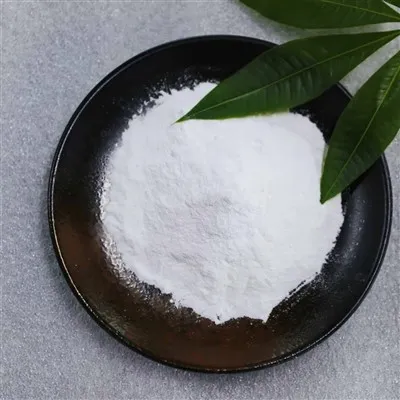
Let’s start at the most immediate level: the manufacturing and agricultural side, where my team and I interact directly with farmers every day. Most people think of sweeteners as just sugar, but the market is split into two big buckets now—caloric sweeteners (like cane sugar, beet sugar, and high-fructose corn syrup, or HFCS) and non-caloric sweeteners (stevia, monk fruit, erythritol, allulose, and others that have grown in popularity over the last decade). For farmers, what they plant directly ties to consumption trends, which in turn shapes how much they earn. A few years ago, when soda companies were still using HFCS for 50% of their sweetener needs, corn farmers in the U.S. Midwest were planting more acres of corn than ever before, and sugar beet farmers in the Great Plains were seeing steady, predictable contracts. But as consumers shifted toward drinks with “less sugar” or “no artificial sweeteners,” demand for those caloric sweeteners dropped. Last year, for example, U.S. HFCS production fell by 7% compared to 2021, according to data from the Economic Research Service (ERS) of the U.S. Department of Agriculture (USDA). That meant corn farmers who’d relied on steady HFCS orders started shifting to other crops, or selling their corn at lower prices because demand was soft. On the flip side, farmers growing stevia and monk fruit in places like Paraguay, Brazil, and parts of the U.S. Pacific Northwest have seen a 12% increase in acreage planted since 2020, because that’s what food manufacturers are asking for now.
This shift isn’t just affecting farmers—it’s trickling down to the supply chain jobs that depend on those crops. Think about the truck drivers who carry raw cane from processing mills to packaging facilities, the factory workers who turn sugar beets into granulated sugar, the warehouse staff who store non-caloric sweeteners before they’re shipped to cookie companies or beverage brands. When demand for HFCS fell, a small corn processing plant in my home state of Iowa laid off 18 workers in 2022 because they couldn’t keep their shifts full. Meanwhile, a new stevia processing plant in Tennessee hired 42 people that same year, and they’re already planning to expand next year because orders are up. That’s the kind of on-the-ground job impact you don’t see in headline numbers, but it’s real for the families who work in these industries.
Next, let’s talk about food and beverage manufacturing, which is the biggest customer for sweetener suppliers like me. Food makers don’t just choose a sweetener based on taste—they choose based on cost, functionality, and consumer demand, and those choices shape billions in annual revenue. For example, when Coca-Cola rolled out its “no-sugar” Coke in 2018, they switched from HFCS to a blend of stevia and erythritol, and that product line now makes $4 billion a year in global sales, according to their 2023 annual report. For a small bakery, though, the math is different. If a bakery is using granulated sugar to make their cookies, a 10% increase in sugar prices can cut their profit margin in half. Back in 2021, when sugar prices rose by 25% due to droughts in Brazil (the world’s top sugar exporter), hundreds of small bakeries across the U.S. had to raise their prices by 15% or cut back on the number of products they offered. That’s a direct link between sweetener consumption, global weather, and small business survival.
What’s also interesting is how consumption patterns are driving innovation in manufacturing. Because consumers want sweeteners that are natural, lower in calories, and don’t leave a bitter aftertaste, food makers are working with suppliers like me to create blended sweeteners that check all those boxes. A few years ago, stevia had that bitter aftertaste that turned a lot of consumers off, so my team partnered with a stevia processor to refine the leaf, and now we offer a stevia extract that’s 95% pure, with almost no bitter notes. This kind of innovation doesn’t just help my business—it helps food makers create products that sell, which in turn creates more jobs in R&D, marketing, and sales.
Now, the part that surprises most people: the impact on public health and healthcare spending, which is a huge economic factor. Sweetener consumption has been linked to both positive and negative health outcomes, and that plays into how governments spend money on healthcare, which is the largest expense for most countries. Let’s start with the negatives: excessive consumption of caloric sweeteners is linked to type 2 diabetes, obesity, and heart disease. A 2022 study from the World Health Organization (WHO) found that countries where average sugar consumption is over 50 kilograms per person per year have healthcare costs that are 15% higher than countries where consumption is under 30 kilograms. In the U.S., the Centers for Disease Control and Prevention (CDC) estimates that medical costs related to obesity (which is closely tied to sweetener consumption) are $173 billion to $207 billion a year. That’s taxpayer money going toward treating conditions that could be partially prevented by reducing sweetener intake.
But here’s the flip side: non-caloric sweeteners, when used as a replacement for caloric ones, can help reduce those healthcare costs. A 2021 study published in the Journal of the American Medical Association (JAMA) found that people who drank one sugar-sweetened beverage a day swapped for a non-caloric sweetened one had a 20% lower risk of type 2 diabetes over 10 years. That means less spending on diabetes medications, hospital visits, and long-term care. As a sweetener supplier, we’ve seen this play out in our order volume: sales of non-caloric sweeteners to beverage companies that make diet drinks and low-sugar drinks rose by 18% in 2023, which aligns with growing awareness of health risks. That’s a good thing for both consumers’ health and the economy, because it reduces the burden on healthcare systems.
Another economic impact I’ve observed is on global trade. Sweeteners are one of the most traded agricultural commodities in the world, and that affects everything from exchange rates to import tariffs. Brazil, India, and Thailand are the top three exporters of cane sugar, so when there’s a drought in Brazil, like there was in 2021, global sugar prices spike, and countries that import most of their sugar—like Indonesia, Nigeria, and parts of the European Union—have to spend more of their foreign currency reserves to buy enough sugar. That can lead to higher inflation in those countries, because every product that uses sugar (from bread to candy to sauces) gets more expensive. On the flip side, countries that export non-caloric sweeteners, like Paraguay (stevia) and China (erythritol), have seen their export revenues rise as global demand for those products grows. For example, Paraguay’s stevia exports went from $150 million in 2018 to $620 million in 2023, according to the International Trade Centre. That money goes back into the country’s economy, funding schools, roads, and healthcare, which is a huge positive for developing nations.
I also want to talk about the consumer level, because that’s where all these bigger economic impacts start. When consumers choose to buy products with less sugar or non-caloric sweeteners, that changes the demand that shapes all the supply chain decisions we make. A friend of mine owns a grocery store in Ohio, and he told me that five years ago, only 10% of his snack shelf was made with non-caloric sweeteners. Now it’s 35%, and his store’s revenue from those products has gone up by 40% since 2020. That’s not just a small grocery store trend—nationwide in the U.S., sales of low-sugar and sugar-free products hit $30 billion in 2023, according to the Food Marketing Institute. That’s money that consumers are choosing to spend on products that align with their health goals, and that money circulates through the economy, supporting suppliers, manufacturers, and retailers.
But it’s not all smooth sailing. There’s another economic angle to sweetener consumption that’s been in the news a lot lately: the debate over sugar taxes. More than 40 countries have implemented some kind of tax on sugary drinks, including Mexico, the U.K., and South Africa. The idea is to reduce consumption of caloric sweeteners by making products more expensive, and to raise revenue that can go toward healthcare or public health programs. A 2020 study on Mexico’s sugar tax, which was implemented in 2014, found that soda sales dropped by 12% in the first two years, and that translated to a 7% reduction in diabetes diagnoses in that period. For suppliers like me, sugar taxes can be a double-edged sword: on one hand, they reduce demand for caloric sweeteners, which is a challenge if that’s a big part of your product line. On the other hand, they drive demand for non-caloric sweeteners, which is what many of us are focusing on as we grow our business. I’ve seen that first-hand: my company started investing more in stevia and monk fruit products after the U.K. implemented its sugar tax in 2018, and that’s become our fastest-growing product line.
One thing I’ve learned in three years as a supplier is that there’s no one-size-fits-all when it comes to sweetener economics. For example, during the COVID-19 pandemic, we saw a huge spike in demand for caloric sweeteners because people were baking more at home. At the same time, demand for non-caloric sweeteners stayed steady because people were still buying their favorite sugar-free snacks and drinks. That was a wild time—our orders for granulated sugar doubled in April 2020, and we had to work 12-hour days to keep up. That showed me that sweetener consumption is tied to big, unpredictable events, from pandemics to weather disasters, and that suppliers have to be flexible to adapt.
Another example: small-scale farmers vs. large agribusinesses. Large agribusinesses can weather price fluctuations for sweeteners because they have more resources to store crops, switch between different sweetener crops, or hedge against price changes. Small-scale farmers, though, often live paycheck to paycheck, so a drop in sweetener prices can push them into debt. That’s why my team works with small sugar beet farmers in the U.S. to offer stable pricing contracts, so they can plan for the year ahead without worrying about sudden price drops. It’s good for them, and it’s good for my business because we have a consistent supply of high-quality sweeteners.
Looking ahead, I think the economic impacts of sweetener consumption will only get more complex. As more consumers focus on health, demand for non-caloric sweeteners will keep growing, but there will also be demand for whole, natural sweeteners like date sugar and maple syrup, which are seen as more “honest” by some consumers. Technology is also going to play a big role: new processing methods are making it cheaper to produce allulose, a rare sugar that has zero calories and tastes almost exactly like table sugar, which could change the market even more. I recently met with a food tech company that’s developing a way to make allulose from agricultural waste, which would cut production costs by 30%. That would make allulose accessible to more small food makers, which would boost demand and create more jobs in that space.

At the end of the day, being a sweetener supplier isn’t just about selling a product—it’s about understanding how that product fits into the bigger economic picture. Every bag of sweetener we ship is part of a supply chain that supports farmers, factory workers, small business owners, and consumers. We have a responsibility to make sweeteners that are safe, affordable, and meet the changing needs of the market, whether that’s helping a small bakery stay afloat or partnering with a beverage company to create a healthier drink. If you’re a food manufacturer, retailer, or small business owner looking for a reliable sweetener supplier, we’d love to sit down and talk about your needs and how we can help you grow.
Amino Acid References
Economic Research Service, U.S. Department of Agriculture. (2023). U.S. Sweetener Market Trends and Outlook. World Health Organization. (2022). Global Status Report on Sugar Consumption and Health. Centers for Disease Control and Prevention. (2023). Medical Costs of Obesity in the United States. Journal of the American Medical Association. (2021). Non-Caloric Sweetener Substitution and Type 2 Diabetes Risk. The Coca-Cola Company. (2023). Annual Report 2023. International Trade Centre. (2023). Global Stevia and Erythritol Export Data. Food Marketing Institute. (2023). U.S. Low-Sugar and Sugar-Free Food Sales Report.
Jinbei Chemical (Shandong) Co., Ltd.
As one of the most experienced sweeteners manufacturers in China, our products have good reputation in the market. We warmly welcome you to buy high quality sweeteners for sale here from our factory. If you have any enquiry about customized service. please feel free to email us.
Address: 2603, Building B3, Lushang Center, Liuqing Street, Lanshan District, Linyi City, Shandong Province
E-mail: sale@jinbeichemical.cn
WebSite: https://www.jinbei-brand.com/
