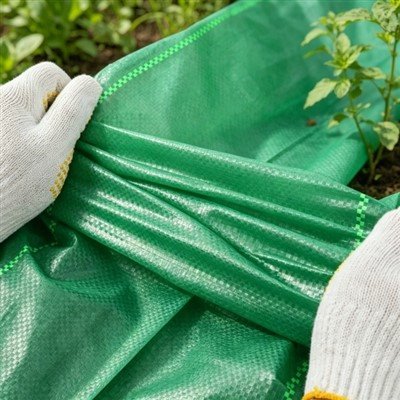
Hey everyone, if you’ve ever shopped around for weed control cloth accessories (let’s just call them WCCA for short from here on—way easier), you know there’s no shortage of options. Last week, I had a garden center owner blow up my DMs at 9 a.m. because half the WCCA she bought last spring crumbled by summer. Turns out, she grabbed the cheapest stuff without thinking about durability, and now she’s got dead-looking beds and unhappy customers. As someone who’s been selling WCCA for years, durability isn’t just a buzzword—it’s what separates a product that actually works from a waste of money you’ll replace every season. Today, I’m breaking down the differences in durability between the main types of accessories, no stuffy jargon, just the real talk you need to not make her mistake. Weed Control Cloth Accessories

First off, let’s get on the same page: when we talk WCCA, we’re not just talking the weed barrier cloth itself—we’re talking the little extras that hold it down, seal gaps, or keep it from breaking in the first place. Stuff like pins, staples, tape, edging, even extra mesh reinforcements. Each of these comes in materials that hold up way differently, depending on what you’re using them for. I see so many customers pick a random pin because it’s $2 a box, only for them to bend after a month, or the tape peels off because they put it in direct sun. Let’s dive into each type, their durability, and when you should pick which.
Starting with the most basic (and most overlooked) accessory: landscape staples. You’ve probably used these before—little U-shaped metal (or sometimes plastic) bits that hold the weed cloth to the ground. The biggest split here is between plastic staples and metal staples, and their durability is night and day. Plastic staples (usually made of PP or HDPE) are cheap, sure, but they break way too fast. If you’re putting them in rocky soil, or even just compacted dirt where you have to push them hard, they crack. I’ve had customers tell me half their plastic staples snapped on the first use. They also get brittle in cold weather—if you’re using them for fall or winter projects, even a light frost will make them crumble. The only upside? They don’t rust, so if you’re putting them near a pond or wet area, maybe they work for a season. But if you want something that lasts more than a few months, metal is the way to go.
Not all metal staples are equal, though. There’s plain steel, galvanized steel, and stainless steel. Plain steel is the cheapest metal option, but it rusts. Fast. If you leave it outside for a year, it’ll turn orange and weaken—by the next growing season, most of those staples are too corroded to hold the cloth down. That’s a big problem because if your weed barrier moves, weeds push right through the gaps. Galvanized steel is the workhorse here. It’s coated in zinc, so it resists rust way better than plain steel. I sell galvanized staples to gardeners and landscapers all the time, and they last 3-5 years, even in regular soil. The only time they might let you down is if you’re using them in super acidic soil—acid eats through the zinc coating over time, so you might see rust start after 2 years there. Then there’s stainless steel staples. These are the fancy option, way more durable, no rust at all. They hold up in acidic soil, salt air (if you’re near the coast), even under constant moisture. Landscapers who do commercial projects swear by them—they’ve had these staples for 8+ years and they’re still solid. The catch? They’re more expensive, like 2-3 times the cost of galvanized. But if you don’t want to replace your WCCA every other year, they’re worth it.
Next up: weed barrier sealing tape. This is the stuff you use to connect two pieces of weed cloth together, so weeds can’t grow through the seams. Again, material is everything here. Most tape is either acrylic-based or butyl rubber. Acrylic tape is the cheaper one. It sticks okay when it’s new, but it doesn’t hold up to sun or temperature changes. If you leave it in direct sun, it dries out, cracks, and peels away in 6-12 months. If it’s really hot, it might get gooey and slide off. Butyl rubber tape is way more flexible and UV-resistant. I’ve had customers use butyl tape in full sun for 4 years, and it’s still holding strong. It also works in wet areas, because it’s waterproof—no lifting or peeling from rain or sprinklers. There’s also reinforced fabric tape, which is butyl tape with a mesh backing. That’s the most durable of all, great for high-traffic areas where people or animals might step on the seam. It doesn’t tear when something heavy hits it, whereas regular butyl tape might rip under pressure. The mistake I see most people make? Using duct tape. Duct tape is for moving boxes, not weed cloth. It’s not UV-resistant, it falls apart after a few weeks, and it won’t seal the seams right. Save yourself the hassle and skip the duct tape shortcut.
Then there’s weed barrier edging. This is the stuff that goes around the edges of your beds, to keep the weed cloth from shifting, keep grass from growing over the edges, and give the whole project a clean look. Edging comes in plastic, metal, or even wood (though wood is more of a DIY thing, not really a WCCA). Plastic edging is the budget option. It’s lightweight, easy to install, but it gets brittle in sun and cold. After 1-2 years, it cracks and warps—you’ll have gaps along your bed where weeds grow through. Metal edging, same as staples, splits into galvanized and stainless steel. Galvanized edging lasts 5-7 years, resists rust, and holds its shape even after being stepped on. Stainless steel edging? That’s a lifetime investment. It doesn’t rust, it doesn’t bend or warp, and it looks professional too. I’ve got a commercial client who’s had stainless steel edging for over a decade, and it’s still perfect. The only downside is cost—metal edging is way more expensive than plastic, but if you want a project that looks good and works for years, it’s worth it.
Wait, let’s not forget the less obvious accessories, like mesh reinforcements. Sometimes you get high-traffic areas—like a path made with weed cloth, or where kids or dogs walk. Regular weed cloth tears under that kind of weight, so you use mesh patches or reinforcements. These are usually made of polyester or polypropylene. Polypropylene is the cheaper one, but it breaks down in sun fast—after a year, it’s frayed and useless. Polyester mesh is way more durable, UV-resistant, and can handle constant wear. I’ve had customers use polyester mesh on dog paths for 3+ years, and they haven’t had to patch or replace it yet.
Now, let’s talk about what really affects durability, because it’s not just the material. A big one is UV stability. Most WCCA are exposed to sunlight, and UV rays break down plastic and rubber over time. That’s why cheap plastic staples and acrylic tape crumble—they don’t have UV inhibitors added. Good quality products (which is what I sell) have UV inhibitors built in, so they can handle full sun for years without breaking down. Another factor is soil type. If your soil is acidic or has a lot of clay, it might wear down metal or plastic faster. Rocky soil can bend staples that aren’t thick enough. And moisture—if your project is near a lake, sprinkler, or just a super wet area, rust is a big issue, so you need rust-resistant materials like stainless steel or butyl tape, not plain metal.
Let’s get real with an example. Suppose you’re doing a small flower bed in your backyard, full sun, regular soil, no heavy traffic. What should you pick? Galvanized staples (they’re cheap enough, last 3-5 years), butyl rubber sealing tape (seams will hold for 3+ years), and plastic edging (if you want something easy, though galvanized is better if you can stretch). That’s a solid setup for under $50, that will last through multiple growing seasons. Now, if you’re a landscaper doing a commercial project—like a shopping center’s parking lot island, full sun, heavy foot traffic, wet from rain and sprinklers. You’d want stainless steel staples and edging, reinforced fabric tape, and polyester mesh for any high-traffic paths. Yeah, that costs more upfront, but you won’t have to come back every year to fix torn cloth or missing staples. Over 10 years, that’s way cheaper than replacing cheap stuff every season.
I see so many people making the mistake of going for the cheapest WCCA, thinking they’re saving money. But trust me, if you buy plastic staples for $1 a box, and they all break after 6 months, you’re out that $1, plus you have to buy new ones, plus you might have weeds growing through your beds. Over time, that adds up way more than paying a little extra for durable accessories.
Also, a quick pro tip: how to make your WCCA last even longer, no matter what accessories you pick. Don’t stretch the weed cloth too tight—if it’s stretched, it can tear easier when you put down staples. Clean up debris (leaves, sticks) off the cloth regularly—debris holds moisture and can speed up degradation. And if you’re using metal accessories, avoid mixing different metals? Wait, no, actually, if you use galvanized staples with galvanized edging, that’s fine, but mixing galvanized and stainless steel might cause a tiny bit of corrosion, but for most home projects, it’s not a big deal. The main thing is just matching the accessory material to your project’s conditions.
At the end of the day, durability in WCCA accessories isn’t about picking the most expensive thing—it’s about matching the product to what you need. If you’re a casual gardener with a small backyard, galvanized staples and butyl tape will work great. If you’re a pro handling commercial jobs, stainless steel and reinforced mesh are worth the investment. And if you’re not sure what’s right for your project, just reach out. I’ve been in this game long enough to help you pick something that won’t fall apart after a month.
If you’re tired of wasting money on flimsy WCCA accessories that don’t deliver, hit me up to chat about your project. Whether it’s a small home bed or a big commercial site, I’ve got the durable stuff that will actually last. Don’t let a bad accessory ruin your garden—let’s get you set up right.
PP Woven Bag References:
- Landscape Industry Association. (2022). Durability Metrics for Weed Control Products and Accessories. North American Horticulture Association.
- Environmental Protection Agency. (2021). UV Resistance of Polymeric Materials Used in Outdoor Landscaping. U.S. EPA Office of Chemical Safety and Pollution Prevention.
- Stainless Steel Advisory Service. (2020). Corrosion Resistance of Metal Fasteners for Landscaping Applications. International Stainless Steel Forum.
- Rubber Manufacturers Association. (2019). Performance of Butyl Rubber Adhesives in Outdoor Sealing Applications. The Rubber Association.
- American Nursery and Landscape Association. (2023). Best Practices for Selecting and Installing Weed Barrier Accessories for Long-Term Durability. ANLA Technical Advisory Group.
Linyi Dongyi Import&Export Co., Ltd.
As one of the most professional weed control cloth accessories manufacturers and suppliers in China, we offer a wide range of products with superior quality. We warmly welcome you to wholesale bulk customized weed control cloth accessories from our factory. If you have any enquiry about quotation, please feel free to email us.
Address: 4 F, Zone A, Zhangjia Zhuxu Village, Lanshan District, Linyi City.
E-mail: donglai01972@gmail.com
WebSite: https://www.donglaipack.com/
