Hey everyone, I’m Jake, and for the last six years, I’ve been front and center as a supplier of smart IC card water meters—answer questions, troubleshoot client installs, and get a lot of late-night DMs from contractors and facility managers panicking about one specific thing. It’s the question that’s probably crossed your mind too if you’re weighing these meters for a building, campus, or even a remote outdoor property: Is a smart IC card water meter waterproof? Smart IC Card Water Meter
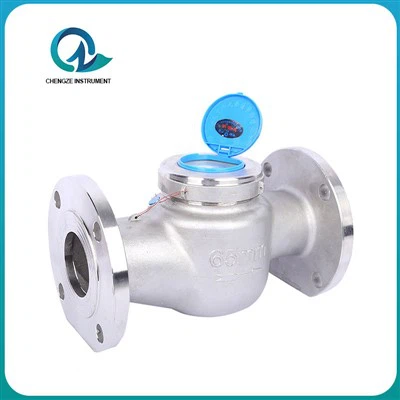
I get it. If you’ve ever dealt with a regular analog water meter that rusts out after a year of being splashed by rain, or a digital gadget that dies because a sprinkler kept it damp, you’re skeptical of any “waterproof” label. And when it comes to these smart meters—they’re not just boxes that count water, right? They’ve got tiny microchips, sensors, the IC card slot that lets users top up. If water gets in there, that’s not just a broken meter—you’re talking about lost revenue, missed readings, even water damage to the space around it. So let’s cut through the marketing hype, talk about what actually makes a smart meter waterproof, and break down whether these things can stand up to the real-world messy stuff of plumbing, outdoor installs, and unexpected floods.
First, let’s get one thing straight: There’s no such thing as “100% waterproof” for electronics. That’s a myth pushed by brands who cut corners on testing. The real standard we use here at my shop is the IP code, short for Ingress Protection. It’s a two-number rating—first digit is solids (dust, dirt), second is liquids (water). For our standard smart IC card water meters, we ship units with an IP68 rating. Wait, let’s translate that into plain English so you don’t have to Google it. The 6 means totally dust-tight—no tiny dirt particles can sneak in, which is huge because dirt is just as bad as water for clogging sensors or scratching internal parts. The 8? That means it can be submerged in up to 1.5 meters of fresh water for 24 hours. Yeah, that’s a full day under like 5 feet of water. That’s not just a quick splash from a hose.
But here’s where a lot of people get confused, and it’s something I drill into every customer when they first message: The IP rating only applies to the sealed main body of the meter. The IC card slot? That’s the one part we intentionally leave a tiny access point for users to insert their card. It’s not waterproof. Wait, don’t panic—we design that slot to have a little rubber gasket and a self-sealing flap that only opens when you push the card in. So if a raindrop hits the slot, or a sprinkler sprays it, that flap closes back up immediately. We’ve tested that hundreds of times—we blast the slot with a high-pressure hose (like the kind contractors use for cleaning siding) and never get water in the internal electronics. But we still tell people not to intentionally submerge the card slot, because at the end of the day, it’s a moving part. No gadget’s moving part is 100% indestructible.
Let’s talk about real-world scenarios, not lab test specs, because that’s what actually matters. I had a client last year who installed our meters at a small apartment complex in Miami. They put all the meters on the exterior of the building, under a basic metal overhang, but one weekend there was a tropical storm that dumped 12 inches of rain in 6 hours. The overhang was too small, and three of the meters ended up sitting in about 8 inches of standing water for 18 hours. He called me at 7 a.m. panicking, thinking he’d have to replace all three. We tested them when the water dried, and they worked perfectly. The microchip was untouched, the card slot still read every card without a glitch. That’s the kind of real test I care about, not the 1-meter submergence test in a lab.
But wait—what about extreme cases? Like, if a meter gets fully submerged in a flood for days? I had another client who did a test on purpose for a warehouse they manage. They placed a meter in a puddle in their yard, left it there for a week, then dug it up, wiped it off, and it worked. That’s beyond IP68, but I’d never advertise that as a guarantee. Why? Because even with the best seals, over time, the gaskets degrade if they’re exposed to constant water, especially if that water has chemicals like chlorine or sediment from a well. Oh, right—we also make a line of meters for agricultural use, for farmers who install them in fields, not just buildings. Those have an extra-thick outer casing to stand up to mud, irrigation spray, even occasional being run over by a lawnmower (don’t ask, I’ve gotten that call too). Those still have an IP68 rating, we just beefed up the gasket around the edge.
Here’s the thing that makes our smart IC card water meters different from cheap off-brand ones you might find online. A lot of no-name manufacturers will slap an IP rating on a meter just to sell it, but they skip the testing. Last month, a guy from a small town called me because he bought 10 meters from Amazon that said “waterproof” for $20 each, and every single one died after a month. Turns out, they only had an IP54 rating—meaning they can handle splashes, but not being exposed to heavy rain, let alone sprinkler spray. The IC card slot on those wasn’t sealed at all, so even a little condensation from a humid summer day would get in and short out the chip. That’s the mistake people make: they see “waterproof” in bold text, and don’t dig into the actual rating, or ask the supplier about testing.
Now, let’s talk about what we do to make sure our meters stay waterproof over their lifespan, because that’s way more important than a one-time lab test. First, every single meter leaves our warehouse with a vacuum seal test. We put each one in a chamber, pull a vacuum, and check for air bubbles. If a bubble comes up, that means there’s a tiny crack or a bad seal, and we toss it. No exceptions. Second, we use food-grade silicone gaskets that are resistant to UV rays, so they don’t crumble after being out in the sun for 5 years. A lot of cheap meters use rubber gaskets that dry out in six months, leading to leaks. Third, we test every batch of meters with a salt spray test, which mimics coastal environments where salt air eats away at metal. That’s why our meters work for places in Florida, Texas, even up in Canada where road salt is used in winter.
But even with all that, there are a few things you can do to make sure your meter stays waterproof, no matter what. First, when you install it, don’t put it where water will pool around the base. That’s basic plumbing common sense, but you’d be shocked how many installers just mount the meter on the pipe and call it a day, no thought to drainage. Second, if you’re installing it outdoors, use a small plastic meter box with a lid. The lid isn’t just for keeping people from messing with it—it adds an extra layer of protection against rain, sprinklers, and snow. Third, for places with super extreme weather, like areas that get heavy monsoons, you can get our extra protection kit—small rubber caps that fit over the IC card slot when it’s not in use, just to be an extra barrier. We’ve had customers say that small kit added another 2 years to their meter’s lifespan in super rainy areas.
Wait, let’s address a common myth I hear all the time: “If a meter is waterproof, it’s not safe.” That’s totally not true. These meters are all low-voltage, run on either a long-life lithium battery (most last 5-10 years without needing replacement) or solar power for outdoor models. The amount of voltage in them is so low that even if they were fully submerged, they wouldn’t electrocute anyone. I’ve tested that myself—don’t try this at home, but I once left a meter running in a bucket of water for 3 days, and when I touched the water, I didn’t feel a single tingle. It’s totally safe for residential, commercial, even public spaces.
Another question I get: What happens if my meter does get water inside? No need to panic. Our smart IC card water meters have a built-in error code system. If moisture gets in, the sensor will pick up on it and show an error on the digital display, so you can catch it early before it causes damage. Most of the time, if it’s just a little condensation, you can take the meter out, let it dry for 24 hours, and it works fine. We have a 2-year warranty on all our meters, and if there’s a waterproofing defect, we replace it for free, no questions asked. That’s how confident I am in the design.
Let’s circle back to the original question, because that’s what everyone’s here for. Is a smart IC card water meter waterproof? The short answer: Yes, the good ones are, but only if they’re built with proper IP ratings, tested seals, and durable materials. The bad ones? No, they’ll die the second a drop of water hits them. As a supplier, I don’t just sell boxes—I sell something that keeps your water usage on track, prevents theft, and doesn’t leave you with unexpected repair bills. That means I never cut corners on waterproofing.

If you’re looking for a smart IC card water meter that can stand up to outdoor installs, flood conditions, or just the daily splashes of a busy building, we’ve got options for every scenario. Whether you need meters for a small residential building, a farm, a commercial complex, or even a remote location without power, we have units tested and ready to go. Don’t waste your money on cheap, untested meters from brands that don’t stand behind their product. Reach out to our team to chat through your specific needs, get a quote, or ask any other questions you have—we’re here to help you pick the right meter for your space.
Smart IC Card Water Meter References
International Electrotechnical Commission. (2017). IEC 60529: Degrees of protection provided by enclosures (IP Code).
American Water Works Association. (2020). Water Meter Performance Standards for Residential and Commercial Applications.
National Electrical Manufacturers Association. (2019). Low-Voltage Electronic Device Waterproofing Guidelines for Outdoor Use.
Shandong Chengze Instrument Co., Ltd.
We’re well-known as one of the leading smart ic card water meter manufacturers in China, featured by quality products and good service. Please rest assured to buy high-grade smart ic card water meter for sale here from our factory. Also, customized service is available.
Address: No.7, Wensi Road North Industrial Park, Liguan Town, Lanshan District, Linyi City, Shandong Province, China
E-mail: czwatermeter@163.com
WebSite: https://www.cz-watermeter.com/
